Amprobe TMA10A Aneamometer
Reliable Air Velocity Measurement for HVAC and Industrial Testing


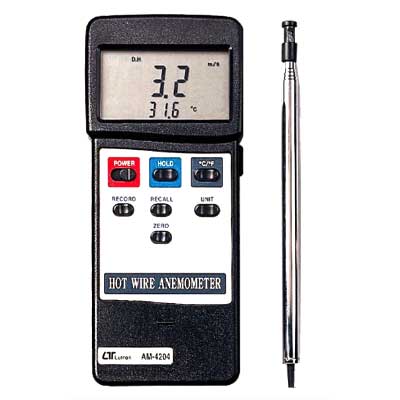
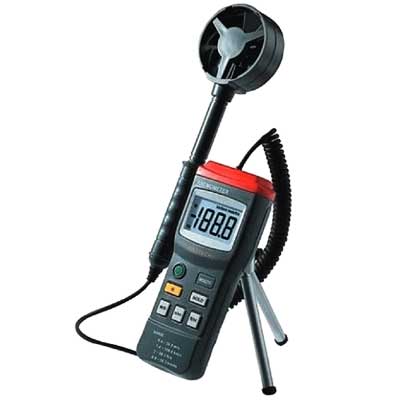
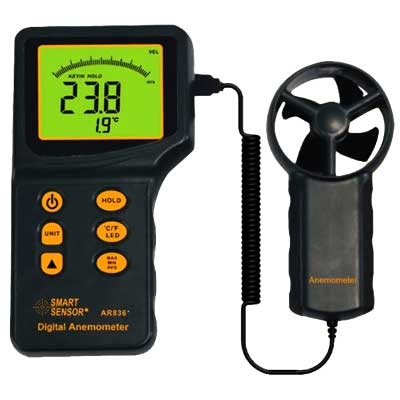
The Amprobe TMA10A Anemometer is a practical instrument for professionals searching for the Amprobe TMA10A Aneamometer Price in Bangladesh and a reliable solution for measuring air movement. Designed for airflow assessment, an anemometer helps engineers and technicians evaluate ventilation performance, inspect air conditioning systems and investigate airflow conditions in different environments. The instrument can support routine maintenance, building inspections and technical troubleshooting by providing useful air velocity measurements. For HVAC professionals and facility management teams, an appropriate anemometer can make airflow testing more systematic and help support informed maintenance decisions.
Air velocity measurement helps technicians understand how air moves through ventilation systems, ducts and air outlets. The Amprobe TMA10A Anemometer can be considered for applications where air movement needs to be assessed during inspection or maintenance activities. Measuring airflow at selected locations can help identify differences in ventilation performance and indicate whether further investigation is required. Consistent measurement techniques and correct sensor positioning are important for obtaining meaningful readings and comparing results across different inspections.
Heating, ventilation and air conditioning systems depend on suitable airflow to distribute conditioned air throughout a building. An anemometer helps maintenance professionals check air movement at supply vents, return openings and other accessible points in a system. The Amprobe TMA10A may be useful during HVAC inspections, troubleshooting and preventive maintenance procedures. Air velocity readings can be compared with applicable design requirements or previous measurements to help technicians investigate restricted airflow, uneven distribution or changes in system performance.
Proper ventilation supports indoor comfort and helps maintain appropriate air circulation in residential, commercial and industrial buildings. The Amprobe TMA10A Anemometer can assist with airflow checks during building maintenance and ventilation assessments. Technicians may use air velocity measurements to investigate differences between locations, assess air distribution and document observations for service reports. Since ventilation performance depends on several factors, air velocity readings should be interpreted alongside system design information and other relevant measurements.
Airflow monitoring is useful in many workplaces where ventilation systems contribute to operational conditions and occupant comfort. The Amprobe TMA10A Anemometer may be suitable for selected inspection tasks in offices, workshops, warehouses, laboratories and commercial facilities, subject to its verified specifications. Maintenance teams can use an anemometer when investigating airflow concerns, checking ventilation outlets and recording conditions during routine servicing. Choosing an instrument that matches the required measurement range and working environment is essential for effective results.
Air movement affects the distribution of conditioned air and the circulation of air within enclosed spaces. Measuring air velocity can help facility managers investigate localized ventilation problems and identify areas that may require further assessment. The Amprobe TMA10A can be considered as part of an indoor airflow monitoring process. However, air velocity alone does not establish overall indoor air quality. Depending on the application, a broader assessment may also require temperature, humidity, ventilation rate and other environmental measurements.
A suitable anemometer provides a practical way to collect airflow information during field inspections and maintenance work. The Amprobe TMA10A can support technicians who need to evaluate air movement, investigate ventilation concerns and maintain records of inspection findings. When measurements are taken consistently, they can help professionals compare operating conditions and identify changes that deserve attention. Following appropriate procedures also improves the usefulness of recorded data and supports more organized maintenance planning.
Accurate airflow measurement requires appropriate instrument handling and sensor positioning. Users should follow the manufacturer's instructions, select suitable measurement locations and allow readings to stabilize when necessary. Turbulence, obstructions, contamination and changing environmental conditions can influence measurement results. Regular inspection and proper storage can help protect the instrument and maintain its condition. Before using the Amprobe TMA10A for a specific task, technicians should confirm that its measurement capabilities and operating requirements are suitable for the application.
Selecting an anemometer involves reviewing air velocity range, accuracy, resolution, sensor design, display readability and operating convenience. Buyers should also consider whether the instrument is intended for occasional inspections, regular HVAC servicing or more specialized airflow testing. For the Amprobe TMA10A, checking the manufacturer's datasheet is important to verify the exact specifications, supported functions and included accessories. This helps ensure that the instrument meets the technical requirements of the intended work without relying on unverified product claims.
Professionals searching for the Amprobe TMA10A Aneamometer Price in Bangladesh should consider product authenticity, supplier reliability, warranty coverage and technical support when evaluating purchasing options. A dependable supplier should provide clear product information and help buyers confirm the instrument's suitability for their intended applications. It is also advisable to verify the model name, included accessories, product documentation and availability before placing an order. These checks can help businesses and individual users make informed equipment purchasing decisions.
The Amprobe TMA10A Anemometer is worth evaluating for airflow measurement tasks where dependable air velocity information is required. Its potential use in HVAC inspections, ventilation testing and facility maintenance makes it relevant to engineers, technicians and building management professionals. By selecting the instrument according to verified specifications and using consistent measurement practices, users can gather information that supports ventilation assessments and maintenance decisions. Confirming the technical details with the manufacturer or supplier is the best way to determine whether this model meets the requirements of a particular application.
| Function | Range | Best Accuracy |
| Air velocity | 0.40 → 25.00 m/s | +/- 2% of full scale |
| 125 → 4900 ft/min | +/- 2% of full scale | |
| Air flow | 0.01 → 99.99 m3/sec | 0 → 9.999 m |
| 1 ft → 9999 cfm | 0 → 9.999 ft | |
| Air temperature °F (°C) | 32 °F → 122 °F (0 °C to 50 °C) | +/- 1.5 °F (0.8 °C) |
| Specifications | |
| Display: | Dual 4-digit (9999 count) LCD |
| Operating temperature: | 32 °F to 122 °F (0 °C to 50 °C) |
| Operating humidity: | Max. 80 % RH |
| Power supply: | 9 V battery (heavy-duty alkaline) |
| Description | |
|
No resources available for this product.
No reviews yet. Be the first to review this product!
Related Products
Discover your related products for more professional testing and measurement solutions.