Smart Lightning Protection System
- Home
- Industries

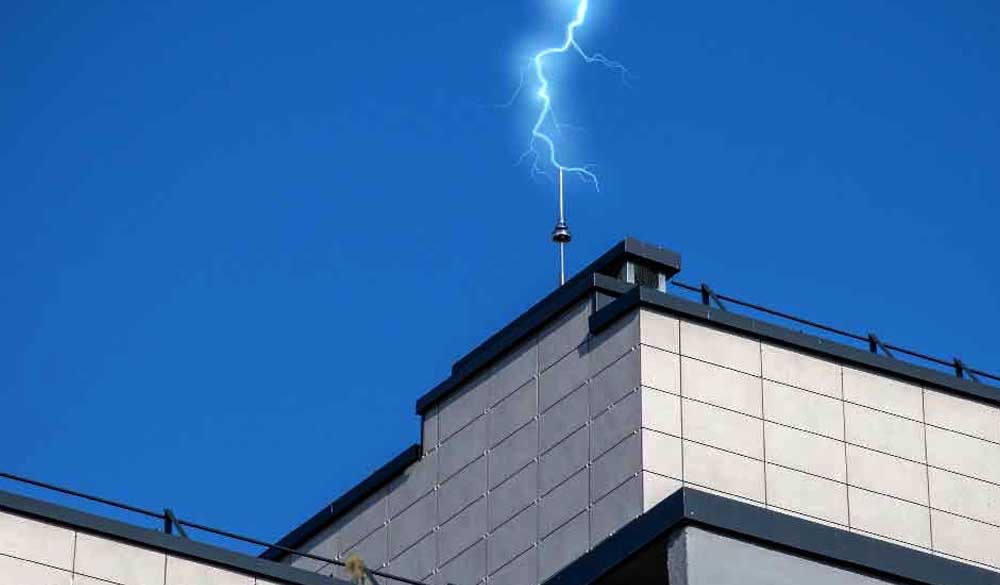
Modern buildings, industrial facilities, communication sites, and critical infrastructure require reliable protection from lightning and electrical surges, making Smart Lightning Protection System in Bangladesh an important safety solution. A smart lightning protection system combines conventional lightning protection methods with advanced monitoring, grounding, surge protection, and system status technologies. Its purpose is to reduce the risk of physical damage, electrical equipment failure, fire, service interruption, and unsafe voltage conditions caused by lightning events.
Bangladesh experiences frequent thunderstorms and lightning activity, particularly during seasonal weather changes. Buildings, factories, telecommunication facilities, solar installations, data centers, warehouses, educational institutions, and infrastructure projects can all require carefully designed protection. A properly engineered system provides a controlled path for lightning current while helping protect sensitive electrical and electronic equipment from transient overvoltage.
Smart protection is not simply about installing a lightning rod. It requires a complete engineering approach covering air terminals, down conductors, grounding networks, bonding, surge protection devices, monitoring equipment, and regular inspection. The design should consider the building structure, electrical system, surrounding environment, equipment sensitivity, and applicable safety requirements.
Lightning can produce extremely high electrical energy and may cause severe damage when it reaches buildings, electrical networks, communication systems, or exposed equipment. Direct strikes can damage roofs, structures, electrical installations, and connected equipment. Indirect lightning effects can also create transient voltages that travel through power and communication cables.
A professional lightning protection system helps control these risks by providing a defined route for lightning current and limiting dangerous electrical potential differences. In Bangladesh, this is particularly important for facilities located in open areas, tall buildings, industrial zones, rural infrastructure, and sites with sensitive electronic equipment.
A comprehensive protection strategy can help reduce:
The effectiveness of protection depends on proper engineering rather than the presence of individual components. Each part of the system must work together to provide a coordinated path for current and control transient energy.
The design of a smart lightning protection system begins with a site assessment. Engineers evaluate the structure, surrounding environment, electrical installation, communication systems, roof configuration, exposed equipment, and potential lightning paths.
A risk based design can determine the type and extent of protection required. The system may include external lightning protection for the structure and internal protection for electrical and electronic systems.
A complete design can include:
Engineering design should also consider future expansion. New electrical equipment, rooftop systems, communication devices, or renewable energy installations may change the protection requirements. A scalable system makes future integration easier.
Air terminals are designed to intercept lightning and provide a controlled connection to the lightning protection network. They may be installed on rooftops, towers, industrial structures, communication facilities, and other exposed locations.
The positioning of air terminals is important because the protection zone depends on the system design, building geometry, and applicable engineering method. Improper placement can leave vulnerable areas exposed.
Engineers should evaluate:
Air terminals should be mechanically secure and connected to suitable down conductors. Materials must be selected for durability and compatibility with the surrounding environment.
For coastal and industrial locations, corrosion resistance is especially important. Regular inspection can identify loose connections, corrosion, physical damage, or unauthorized modifications.
Down conductors provide the path between the air termination system and the grounding network. Their design is important because lightning current must be directed safely toward the earth without creating dangerous side effects.
A well planned down conductor arrangement should minimize unnecessary bends and provide suitable routing along the protected structure. Connections must remain mechanically strong and electrically reliable throughout the service life of the installation.
Down conductor design should consider:
Engineers should also consider potential differences between the lightning conductor and nearby metallic or electrical systems. Proper bonding and separation techniques can reduce the likelihood of dangerous side flashing or electrical coupling.
The conductor system should be installed by qualified personnel and inspected after installation and during scheduled maintenance.
Grounding is one of the most important parts of a lightning protection system. The grounding network provides a path for lightning current to disperse into the earth while helping maintain appropriate electrical potential relationships.
A grounding system may use rods, plates, conductors, grids, foundation electrodes, or combinations of suitable grounding methods depending on site conditions and engineering requirements.
Effective grounding design considers:
Soil conditions can vary considerably across Bangladesh. Wet soil, clay, sandy areas, reclaimed land, and industrial sites may require different grounding approaches. Ground resistance measurements and soil assessment can support appropriate engineering decisions.
A grounding system should not be judged only by installation appearance. Electrical testing is required to verify that the completed network performs as intended.
Lightning protection must address both direct strikes and transient surges entering through electrical and communication networks. Surge protection devices help limit temporary overvoltage and divert surge energy away from sensitive equipment.
SPDs can be installed at suitable points within power distribution systems and communication networks. The selection and coordination of these devices should match the electrical system and equipment being protected.
Surge protection can help protect:
An SPD should not be treated as an independent solution. It works most effectively when integrated with proper grounding, bonding, cable routing, and external lightning protection.
Correct installation is essential. Poor grounding or inappropriate device selection can reduce protection performance and may create additional risks.
The smart feature of an advanced lightning protection system can include monitoring functions that provide information about system condition and selected lightning related events. Monitoring can help facility managers understand whether protection components remain operational and whether maintenance may be required.
A monitoring platform may provide information about:
Remote monitoring can be useful for large facilities with multiple buildings or geographically distributed sites. Security and communication controls should be applied so that monitoring systems cannot be accessed by unauthorized users.
Smart monitoring does not replace physical inspection. Sensors and software should support professional maintenance rather than create a false assumption that the system requires no human attention.
Industrial facilities often contain electrical equipment, automation systems, communication networks, production machinery, storage areas, and exposed metallic structures. A lightning event can therefore affect both physical infrastructure and operational continuity.
Industrial lightning protection should be designed as part of the overall electrical safety strategy. The system should consider the main building, auxiliary structures, process equipment, control rooms, communication systems, outdoor installations, and utility connections.
Industrial applications can include:
Sensitive industrial electronics can be particularly vulnerable to transient disturbances. Coordinated surge protection and grounding can help reduce equipment exposure and support operational reliability.
Periodic inspection is essential because industrial modifications may change cable routes, equipment locations, and bonding arrangements.
Commercial and residential buildings, hospitals, schools, offices, hotels, and public facilities may require lightning protection based on their location, construction, occupancy, and risk profile.
Large infrastructure projects can have additional requirements because they may contain extensive electrical, communication, security, and automation systems. A lightning protection design should therefore be integrated during the engineering stage rather than added after construction.
Building protection can cover:
Early design coordination can prevent conflicts between lightning conductors, architectural elements, electrical cables, plumbing, structural steel, and other building systems.
Solar photovoltaic systems are exposed installations and can be vulnerable to lightning related damage. Solar panels, mounting structures, inverters, cables, and monitoring equipment can create additional conductive paths across rooftops and open areas.
A suitable protection strategy should consider both direct and indirect lightning effects. Surge protection may be required on appropriate electrical and communication circuits, while bonding and grounding should be coordinated with the building protection system.
Solar lightning protection planning can include:
The protection design should avoid creating unintended current paths through sensitive equipment. Coordination between the solar installer and lightning protection engineer is therefore important.
Telecommunication towers, antenna structures, radio systems, network equipment, and communication shelters are often installed in exposed locations. Lightning protection is essential for maintaining equipment reliability and reducing risks to personnel and infrastructure.
A telecommunications protection system can integrate structural lightning protection with grounding, bonding, surge protection, and cable entry protection.
Important areas include:
Communication cables entering a protected building can provide a path for transient energy. Proper bonding and surge protection can help reduce the risk of damage to connected equipment.
Remote monitoring can also help operators identify system conditions at locations where frequent physical inspection is difficult.
A lightning protection system should be inspected regularly because environmental conditions, construction changes, corrosion, mechanical damage, and electrical modifications can affect its performance.
Testing and maintenance should cover both visible components and electrical characteristics. Engineers should verify connections, conductor condition, grounding performance, bonding, surge protection status, and structural integrity.
A maintenance program can include:
Inspection should also follow major building modifications or lightning events where appropriate. Any damaged component should be evaluated and repaired by qualified personnel.
Maintenance records are valuable because they provide a history of system condition and help identify recurring problems.
Lightning protection should be designed and installed according to recognized engineering practices and applicable standards. Standards provide guidance on risk assessment, air terminals, conductors, grounding, bonding, surge protection, inspection, and testing.
Professional engineering is particularly important because lightning protection interacts with building structures, electrical systems, communication networks, and safety systems.
A professional project should include:
The selected components should be compatible with one another. Mixing unsuitable materials or using poorly matched protection devices can reduce system reliability.
Qualified engineers should evaluate the actual site rather than relying on generic installation methods.
A well designed Smart Lightning Protection System in Bangladesh can provide broad protection for structures, electrical systems, electronic equipment, and critical operations. Its value is greatest when external lightning protection, grounding, bonding, surge protection, and monitoring are designed as one coordinated system.
Key benefits include:
Smart systems can also support centralized facility management. When protection status and event information are available through a monitoring platform, maintenance teams can respond more efficiently.
However, no lightning protection system should be considered an absolute guarantee against all lightning related damage. Proper engineering reduces risk and provides controlled current paths, but system performance depends on design, installation, maintenance, environmental conditions, and the nature of the lightning event.
The future of Smart Lightning Protection System in Bangladesh is connected with smart buildings, industrial automation, renewable energy, digital infrastructure, telecommunications, and connected facility management. As buildings contain more sensitive electronic systems, coordinated protection against lightning and electrical surges becomes increasingly important.
Advanced systems may integrate lightning event detection, grounding monitoring, surge protection status, remote diagnostics, facility management software, and automated maintenance alerts. These features can help organizations move from reactive repairs toward proactive protection management.
Future solutions can support:
Smart Lightning Protection System in Bangladesh offers a modern approach to reducing lightning related risks in buildings, industries, communication facilities, renewable energy installations, and critical infrastructure. The strongest solution is based on careful risk assessment, suitable air terminals, reliable down conductors, effective grounding, coordinated surge protection, proper bonding, intelligent monitoring, and regular maintenance. When these elements are professionally integrated, organizations can create a durable protection system that supports electrical safety, equipment reliability, and operational continuity in challenging weather conditions.