Reliable Relay Testing
- Home
- Solutions

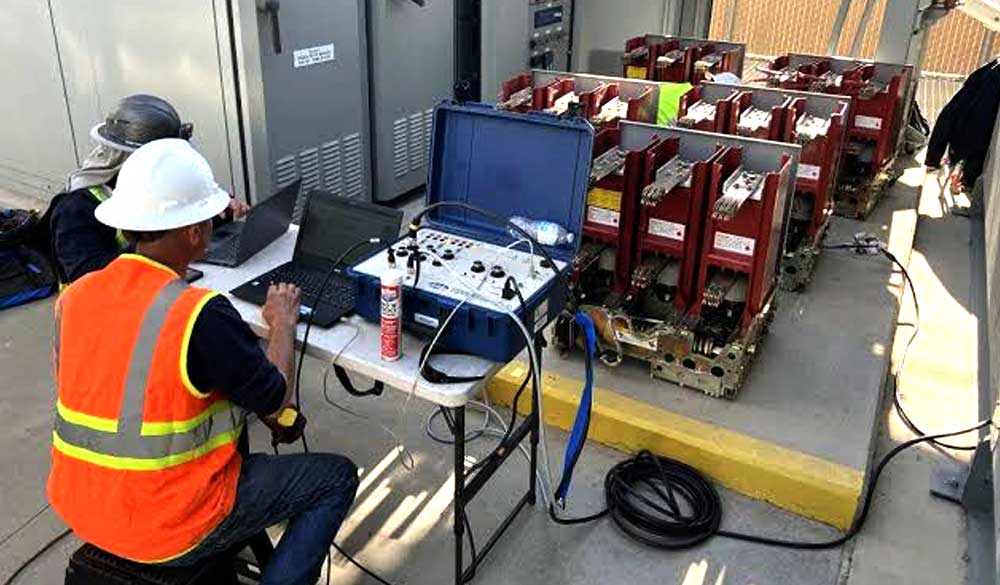
Relay testing plays an important role in maintaining dependable electrical protection, and Relay Testing Service in Bangladesh helps industries verify that protective relays operate correctly under required electrical conditions. Protective relays are essential components in power distribution and industrial electrical systems because they detect abnormal conditions and initiate appropriate circuit breaker operations. A properly tested relay can help minimize equipment damage, reduce electrical hazards, and improve system reliability. Professional testing involves checking relay operation, protection settings, input and output functions, wiring, communication features, and response behavior. Engineers can identify incorrect settings, wiring problems, mechanical issues, and functional abnormalities before they develop into serious failures. Regular relay testing is therefore an important part of electrical maintenance, commissioning, troubleshooting, and preventive protection system management.
Electrical relay testing confirms whether a protective relay can perform its intended protection function during abnormal electrical conditions. A relay may appear normal during routine operation while still having incorrect settings or hidden functional problems. Testing helps verify the relationship between the relay settings and the actual protection requirements of the electrical installation.
Professional testing can support:
Testing is particularly important for industrial facilities where electrical interruptions can affect production, machinery, process systems, and operational safety. A structured relay testing program allows engineers to assess protection performance and maintain dependable electrical infrastructure.
Protective relay testing is widely used in industrial plants, commercial facilities, power distribution systems, substations, manufacturing facilities, and other electrical installations. Different industries may use different relay technologies depending on their system design and protection requirements. Modern numerical relays can provide advanced protection, measurement, monitoring, event recording, and communication functions.
Industrial relay testing normally considers the complete protection arrangement rather than checking the relay as an isolated device. Engineers may examine the relay, current transformer circuits, voltage transformer circuits, control wiring, trip circuits, circuit breakers, and associated protection logic. This approach provides a better understanding of how the protection system will behave during an actual fault.
Testing can be useful during:
Numerical relays are commonly used in modern electrical protection systems because they combine protection, measurement, monitoring, event recording, and communication functions in a single device. However, their advanced features also require proper configuration and systematic verification. Numerical relay testing checks whether programmed protection functions respond according to the intended settings and operating philosophy.
Engineers may review configured parameters, protection curves, pickup characteristics, timing behavior, logic functions, alarms, indications, and trip outputs. Communication functions may also be evaluated where the relay is integrated with supervisory or automation systems.
A professional testing process can help verify:
This testing helps ensure that sophisticated protection equipment performs reliably within the electrical system.
Relay performance testing focuses on determining whether a relay responds correctly when electrical quantities reach the required operating conditions. Depending on the relay type and application, testing may involve current, voltage, frequency, phase angle, impedance, or other electrical parameters. The objective is to compare actual relay behavior with the expected protection characteristics.
Engineers use suitable relay test equipment to apply controlled test signals and observe the relay response. The results can then be compared with approved protection settings and system requirements.
Important areas of assessment may include:
Careful performance testing can identify deviations that may not be visible during normal electrical operation.
Overcurrent and earth fault protection are common protection functions in electrical distribution and industrial systems. These protection elements must operate correctly when current exceeds the configured operating threshold or when an earth fault condition occurs. Incorrect relay settings or malfunctioning protection elements can result in delayed fault clearing or unnecessary tripping.
Relay testing can verify the operation of phase overcurrent and earth fault protection functions under controlled test conditions. Engineers may examine pickup characteristics, operating time, trip outputs, and coordination with other protective devices.
Proper testing helps ensure that:
Regular testing is especially valuable in facilities where electrical continuity and equipment protection are critical.
Relay settings determine how a protective relay responds to abnormal electrical conditions. Incorrect settings can cause nuisance tripping, delayed protection, or failure to isolate faults effectively. Relay setting verification compares the configured parameters with approved protection calculations, coordination requirements, and system design information.
Engineers may review parameters such as:
Setting verification should be carried out carefully because even a small configuration error can affect the overall protection scheme. Testing provides an opportunity to confirm that programmed values and actual relay behavior are consistent with the intended protection strategy.
Injection testing is an important technique used to verify relay response under controlled electrical input conditions. Depending on the application, testing may involve primary injection or secondary injection methods. The selected method depends on the equipment, protection arrangement, testing objective, and required level of verification.
Secondary injection testing is commonly used for checking relay functions without applying high fault currents through the complete primary circuit. It allows engineers to simulate electrical conditions and evaluate relay operation in a controlled environment.
Primary injection testing can provide a broader assessment of the protection circuit because the test current passes through relevant primary components. This approach may help verify the complete current path and associated protection components.
The appropriate testing method should be selected based on:
Reliable relay testing depends on suitable test equipment, accurate measurement, correct connections, and competent engineering practices. Modern relay test systems can generate controlled electrical signals and evaluate relay responses with high precision. They can also support automated test sequences and detailed result recording.
Depending on the protection system, testing equipment may support:
Engineers should ensure that test equipment is properly maintained and calibrated. Accurate test instruments help produce dependable results and reduce uncertainty during protection verification. The testing environment should also be controlled to maintain personnel safety and prevent accidental operation of connected electrical equipment.
Substations contain several critical protection devices that work together to protect transformers, feeders, busbars, breakers, and other electrical assets. Relay testing is therefore an important part of substation commissioning and maintenance. Protection relays must coordinate correctly so that faults are isolated without unnecessarily disconnecting healthy sections of the electrical network.
Testing in substations may cover feeder protection, transformer protection, busbar protection, breaker failure protection, overcurrent protection, earth fault protection, and other configured functions.
A comprehensive substation relay testing program can help engineers:
Proper testing supports dependable operation of the entire protection scheme and helps reduce the risk of unexpected electrical outages.
Relay testing is an important activity during the commissioning of new electrical installations. Before energization, protection systems should be checked to confirm that relays, wiring, control circuits, and associated equipment are correctly installed and configured.
Commissioning tests can identify installation problems before the electrical system enters normal operation. Engineers may compare the installed relay configuration with approved drawings, protection studies, wiring diagrams, and project requirements.
Typical commissioning activities may include:
A properly organized commissioning process helps establish confidence in the protection system from the beginning of operation.
Electrical protection equipment should not be considered maintenance-free simply because it operates normally. Environmental conditions, wiring deterioration, configuration changes, equipment aging, and modifications to the electrical system can affect protection performance over time. Periodic relay testing helps identify these issues before they cause operational problems.
Preventive maintenance may include inspection, cleaning, configuration verification, functional testing, and performance assessment. The testing frequency should be determined according to the equipment type, operating environment, criticality, manufacturer recommendations, and facility maintenance strategy.
Benefits of periodic relay testing include:
A documented maintenance program also helps facility owners maintain a clear history of protection system condition and testing activities.
Relay testing can also support electrical troubleshooting when unexpected trips, protection alarms, or abnormal system behavior occur. An electrical protection system may trip because of a genuine fault, incorrect settings, wiring problems, communication issues, or relay malfunction. Testing can help engineers determine the actual cause.
During troubleshooting, engineers may review relay event records, trip indications, fault information, settings, wiring, and test results. Controlled testing can then be used to reproduce specific operating conditions where appropriate.
A structured troubleshooting approach may involve:
Accurate troubleshooting can reduce downtime and help prevent repeated protection problems.
Safety is a fundamental part of any electrical relay testing activity. Testing may involve energized electrical systems, control circuits, high fault energy, and equipment capable of causing serious injury if handled incorrectly. Testing should therefore be performed by trained personnel using appropriate procedures and protective measures.
Before testing begins, engineers should identify the equipment under test, isolate relevant circuits where required, verify safe working conditions, and establish appropriate control measures. Test connections should be checked carefully before applying electrical signals.
Important safety practices include:
A safety-focused approach protects both personnel and electrical equipment while supporting accurate testing.
Professional relay testing should include clear documentation of the work performed and the results obtained. Test reports provide valuable technical records for maintenance teams, facility owners, consultants, and future commissioning activities.
A useful relay testing report may include equipment identification, relay information, test configuration, protection settings, applied test conditions, measured results, observations, and final conclusions. Any abnormal findings should be clearly identified so that corrective action can be planned.
Good documentation can help with:
Well-prepared reports also make it easier for engineers to compare current results with previous testing activities and identify changes in equipment performance.
Choosing a professional Relay Testing Service in Bangladesh can help industrial and commercial facilities maintain dependable electrical protection. A qualified service provider should have appropriate testing equipment, experienced engineers, systematic procedures, and the ability to understand different protection applications.
The service should be adapted to the specific electrical system rather than relying on a generic testing approach. Engineers should review the protection requirements, equipment configuration, relay settings, electrical drawings, and testing objectives before starting the work.
A professional service can support:
For critical electrical installations, proper relay testing is an investment in system reliability, equipment protection, operational continuity, and personnel safety. Regular assessment allows potential protection problems to be identified before they become major electrical incidents. By combining suitable test equipment with sound engineering practices, systematic documentation, and experienced technical personnel, relay testing can provide a strong foundation for reliable electrical protection throughout the operating life of an installation.