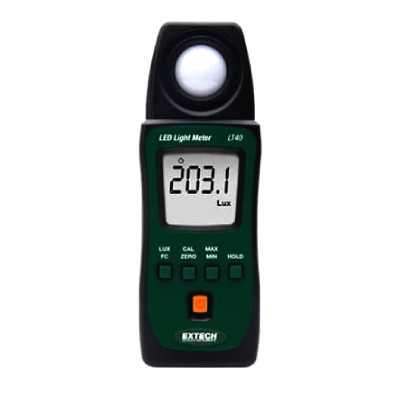
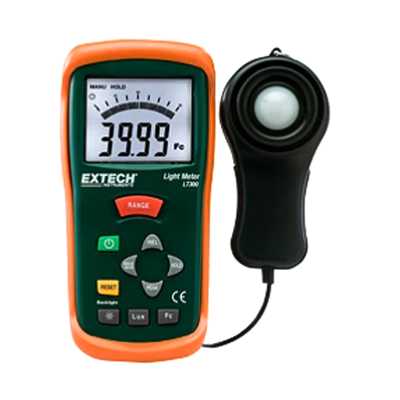
The Lux Meter Price in Bangladesh depends on factors such as measurement range, accuracy, sensor quality, display type, data recording functions, operating conditions, brand, and included accessories.
Basic lux meters are suitable for routine light-level checks, while professional instruments may provide wider measurement ranges, higher measurement accuracy, data logging, automatic range selection, memory functions, and computer connectivity.
When choosing a lux meter, buyers should consider the intended application and required measurement performance rather than comparing cost alone. A suitable instrument should provide dependable readings, convenient operation, and appropriate support for the working environment.
A lux meter is a measuring instrument used to determine the level of illumination reaching a surface. The measurement is generally expressed in lux.
It is commonly used to evaluate lighting conditions in offices, factories, warehouses, laboratories, educational facilities, commercial buildings, hospitals, workshops, and other indoor or outdoor environments.
Engineers, facility managers, safety professionals, lighting technicians, and maintenance teams can use lux meters to identify areas with insufficient or excessive illumination and to verify lighting performance after installation or modification.
Common features of a digital lux meter include a light sensor, digital display, selectable measurement ranges, automatic or manual range selection, maximum and minimum value recording, and low-battery indication.
Advanced models may provide data logging, memory storage, USB or wireless communication, backlighting, relative measurement functions, automatic data hold, and software compatibility.
Sensor performance is particularly important because the quality and response of the light sensor can influence measurement reliability. Buyers should select features according to their testing requirements rather than choosing an instrument based only on additional functions.
Lux meters are used in many locations across Bangladesh where lighting levels need to be assessed. Common applications include offices, garment and textile factories, manufacturing plants, warehouses, laboratories, hospitals, schools, universities, shopping facilities, workshops, and commercial buildings.
They are also useful during lighting installation, facility inspections, workplace assessments, energy-efficiency projects, and maintenance activities.
A lux meter can help professionals compare illumination levels between different areas and determine whether installed lighting provides suitable coverage for the intended task or environment.
A lux meter provides objective measurements of illumination rather than relying on visual estimation. This makes it useful for evaluating lighting conditions and identifying areas that may require adjustment.
Regular light-level measurement can support workplace assessments, lighting design verification, facility maintenance, energy management, and troubleshooting.
For businesses, accurate illumination measurements can help identify uneven lighting, poorly illuminated work areas, or changes in lighting performance over time. A portable digital lux meter can also make routine inspections faster and more consistent.
Lux meters are useful across numerous industries and professional sectors. Manufacturing and textile facilities may use them to assess workplace illumination, while construction and building-service professionals can use them during lighting installation and inspection.
Other users include laboratories, hospitals, educational institutions, warehouses, retail facilities, offices, hotels, engineering consultants, facility management companies, and electrical contractors.
The required lux meter specification depends on the application, measurement range, accuracy requirements, environmental conditions, and whether measurements need to be recorded for reports or quality documentation.
Start by determining the type of lighting environment and the expected illumination range. Then consider measurement accuracy, sensor characteristics, display readability, measurement resolution, response time, and operating conditions.
For basic inspections, a compact digital lux meter may be sufficient. Professional applications may require data logging, memory, PC connectivity, calibration support, or additional measurement functions.
Buyers should also evaluate battery life, sensor cable length where applicable, protective accessories, calibration options, warranty coverage, and local technical support. Choosing a model that matches the actual measurement requirements can provide more practical long-term value.
Purchase from a reputable supplier and verify the manufacturer's information, model number, serial information, technical specifications, documentation, and accessories supplied with the instrument.
For professional applications, buyers should review the specified measurement range, accuracy, sensor characteristics, and calibration information. Genuine documentation helps users understand the instrument's capabilities and limitations.
It is also beneficial to confirm whether the supplier can provide technical guidance, calibration assistance, replacement accessories, and after-sales service. These factors can contribute to reliable measurements and longer equipment service life.
Warranty terms depend on the manufacturer, model, supplier, and purchase conditions. Buyers should confirm the warranty period, coverage, exclusions, and service procedure before placing an order.
Technical support can be important for users who rely on the instrument for regular inspection or professional measurement. Support may include operating guidance, measurement techniques, troubleshooting, calibration information, and maintenance recommendations.
Before purchasing, it is advisable to confirm the availability of after-sales service, calibration support, replacement sensors or accessories, and other necessary technical assistance.
To order a lux meter, first identify your application and measurement requirements. Consider where the instrument will be used, the expected illumination range, required accuracy, measurement frequency, and whether data recording is necessary.
Share these requirements with a reliable supplier so they can recommend an appropriate model and provide technical specifications, availability, warranty information, and accessories.
Before confirming the purchase, review the instrument specifications, included accessories, warranty terms, delivery conditions, and available technical support. For commercial, industrial, or project-based requirements, requesting a formal quotation and technical offer can help ensure the selected lux meter meets the intended application.
Connect WhatsApp!Usually Replies Instantly!
Customer Support
Hello! Welcome to Advance Engineering Solutions. How can we help you today?