Integrated Testing & Calibration Solution
- Home
- Industries

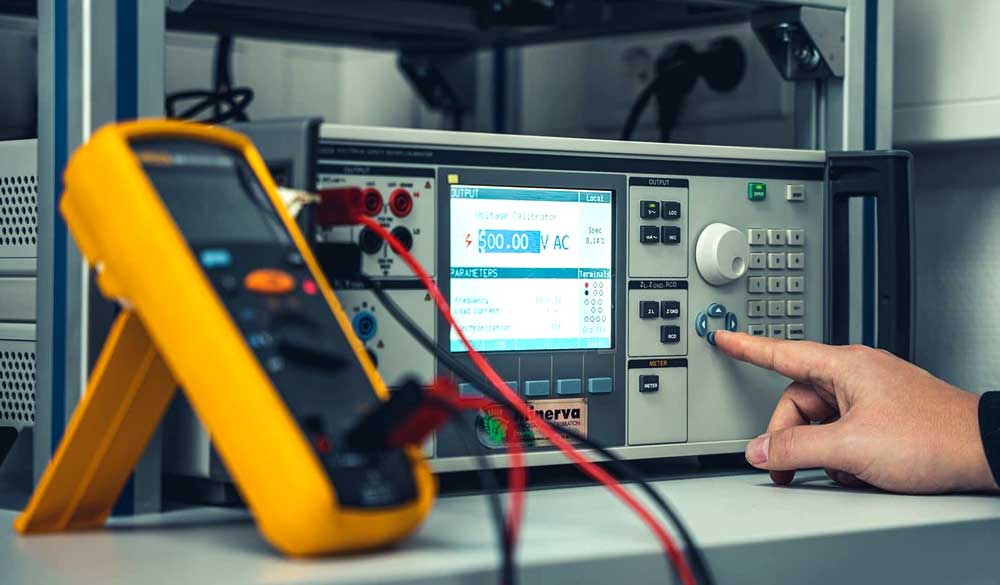
An integrated testing and calibration service brings together measurement accuracy, equipment verification, technical inspection, and quality control, making Integrated Testing & Calibration Solution in Bangladesh an important part of reliable industrial operations. Modern industries depend on instruments that provide dependable readings because inaccurate measurements can affect product quality, process efficiency, safety, and compliance. A professional solution connects testing and calibration activities through a structured technical process.
Industrial equipment such as pressure gauges, temperature instruments, electrical meters, weighing systems, flow instruments, and laboratory devices requires regular verification. Calibration compares an instrument with a recognized reference standard and identifies measurement deviation. Testing evaluates whether equipment performs according to its required operating conditions.
An integrated approach makes these activities easier to manage. It can support equipment identification, inspection, calibration, documentation, reporting, and follow-up maintenance. This approach is useful for manufacturing plants, laboratories, power facilities, pharmaceutical operations, food processing industries, construction projects, and engineering organizations.
Accurate measurement is essential for controlling industrial processes. A small measurement error can influence production decisions, equipment protection, material quality, and process stability. Calibration helps identify these errors before they become major operational problems.
Testing and calibration also support quality management. When instruments are regularly checked, organizations can demonstrate that their measurement systems are controlled and maintained. This creates greater confidence among engineers, operators, quality teams, customers, and auditors.
Important benefits include:
Calibration should not be treated as a simple administrative activity. It is a technical control that helps organizations understand whether their instruments are producing trustworthy information.
Industrial calibration services in Bangladesh support companies that use measurement instruments in demanding production and engineering environments. A suitable calibration program begins with understanding the equipment, application, measurement range, required accuracy, and operating conditions.
Different industries require different calibration capabilities. A manufacturing facility may require pressure, temperature, dimensional, and electrical calibration, while a laboratory may need more specialized measurement support. Engineering projects can require field verification of instruments installed at remote or difficult locations.
A professional calibration service may include:
The objective is to create a controlled measurement system where equipment performance can be evaluated consistently.
Testing determines whether equipment, instruments, components, or systems perform according to specified requirements. Unlike calibration, which focuses strongly on measurement accuracy, testing can evaluate functionality, performance, durability, safety, and operating behavior.
Integrated testing services can be designed around the application and equipment type. Electrical equipment may require functional and safety checks, while mechanical systems may require load, pressure, dimensional, or performance testing.
A structured testing process generally includes:
Reliable testing requires suitable instruments, trained personnel, controlled procedures, and traceable reference equipment. These elements help ensure that test results are meaningful and suitable for engineering decisions.
Pressure and temperature are two of the most common measurement parameters in industrial environments. They are used in boilers, compressors, pipelines, process systems, refrigeration equipment, laboratories, and manufacturing machinery.
Pressure calibration can involve gauges, transmitters, sensors, switches, and related devices. Temperature calibration may involve thermometers, sensors, transmitters, thermocouples, and resistance temperature devices.
Effective calibration requires attention to the complete measurement chain. Engineers should consider the reference standard, environmental conditions, instrument range, resolution, and uncertainty.
Key considerations include:
Regular calibration helps detect drift and supports consistent process control. It can also provide useful information for maintenance planning and instrument replacement decisions.
Electrical measurement systems are widely used in factories, laboratories, commercial facilities, energy systems, and engineering projects. Instruments such as multimeters, clamp meters, insulation testers, power analyzers, and electrical measurement devices must provide reliable results for safe technical decisions.
Electrical testing can help verify functionality, insulation performance, continuity, protection systems, and measurement accuracy depending on the equipment and application. Calibration ensures that measurement instruments produce results within their required performance limits.
Professional electrical testing and calibration should involve:
Electrical measurements can involve safety risks, so competent personnel and appropriate procedures are essential. Testing should always consider the operating environment and the specific characteristics of the equipment.
Laboratories depend heavily on accurate measurement. Analytical instruments, balances, temperature devices, pressure equipment, volumetric equipment, and other laboratory tools can influence test results and product decisions.
Laboratory calibration requires careful control because measurement errors may not always be visible during routine operation. A balance can appear to operate normally while producing inaccurate readings, for example. Regular verification helps identify such deviations.
A laboratory calibration program can include:
Laboratory managers should maintain clear records showing equipment status and calibration history. This supports quality assurance and makes it easier to investigate questionable results.
Manufacturing plants use measurement instruments throughout production, inspection, maintenance, and quality control. Accurate instruments help engineers maintain process parameters and ensure that finished products meet specifications.
An integrated calibration program can connect production equipment with quality assurance requirements. Instead of treating each instrument separately, organizations can create an equipment register that identifies measurement devices, locations, responsible departments, calibration status, and service history.
Manufacturing calibration management can improve:
The calibration interval should be selected based on equipment performance, application risk, manufacturer guidance, usage conditions, historical results, and organizational requirements. A fixed interval may not be suitable for every instrument.
Measurement traceability is an important part of professional calibration. It provides a documented connection between a measurement result and recognized reference standards through an appropriate chain of comparisons.
Traceability helps users understand the basis of calibration results. It also supports confidence when measurement data is used for quality decisions, engineering analysis, production control, or compliance activities.
A strong traceability system should address:
Reference equipment must itself be properly controlled. If a reference standard has an unknown or unsuitable calibration status, confidence in the resulting measurement can be weakened.
Documentation is one of the most valuable outputs of a professional calibration service. A calibration certificate records important information about the instrument, reference equipment, test conditions, results, and calibration status.
Good documentation allows engineers and quality professionals to determine whether equipment was operating within acceptable limits. It also provides historical information that can help identify measurement drift.
A useful calibration record may contain:
Clear documentation should be easy to understand and retrieve. Digital record management can further improve efficiency by allowing organizations to track upcoming calibration requirements and historical results.
Some industrial instruments cannot be easily removed from their operating location. Large equipment, fixed process instruments, production systems, and critical installations may require on site testing or calibration.
On site services reduce unnecessary equipment removal and can allow measurements to be performed under actual operating conditions when technically suitable. Engineers can inspect installation conditions and identify issues that may not be visible in a laboratory environment.
On site calibration planning should consider:
Field calibration requires careful planning because industrial environments can introduce vibration, temperature variation, electrical interference, or other influences on measurement performance.
Reliable calibration depends on both suitable reference equipment and competent technical personnel. Even advanced instruments cannot produce dependable results when procedures are poorly controlled or reference standards are unsuitable.
Calibration engineers should understand measurement principles, instrument operation, uncertainty, testing methods, and relevant technical requirements. Practical experience is particularly valuable when working with complex industrial systems.
A capable technical service should focus on:
Equipment should be selected according to the measurement requirement rather than convenience. The reference standard should provide suitable performance for the instrument being evaluated.
Quality assurance depends on reliable information. If measurement data is inaccurate, even a well designed production process can produce incorrect conclusions. Integrated calibration helps establish confidence in the instruments used for inspection, monitoring, and process control.
A centralized calibration system can connect engineering, maintenance, production, and quality departments. This reduces the possibility of missed calibration activities and improves visibility of equipment status.
Organizations can strengthen quality assurance by:
Calibration results can also support preventive maintenance. If a particular instrument repeatedly shows significant drift, engineers can investigate whether the instrument requires repair, environmental protection, replacement, or a revised calibration interval.
The need for testing and calibration extends across many sectors in Bangladesh. Pharmaceutical and healthcare facilities depend on controlled measurements, while food processing companies require accurate temperature, weighing, pressure, and process measurements. Energy and utility facilities use extensive electrical, pressure, temperature, and flow instrumentation.
Construction and engineering organizations may also require testing equipment for dimensional, structural, electrical, and material-related applications. Research institutions and educational laboratories need reliable instruments for experimental work.
Industry-specific calibration planning should consider:
An integrated provider can help organizations manage different instrument categories through a coordinated service structure. This simplifies communication and supports consistent documentation across departments.
An integrated testing and calibration model provides more than individual technical services. It creates a connected approach to measurement management. Organizations can coordinate inspection, testing, calibration, reporting, and follow-up activities through a structured workflow.
The main benefits include:
The greatest value comes from treating calibration as part of the overall asset and quality management process. When measurement equipment is properly controlled, engineers can make decisions using dependable technical information.
The demand for professional testing and calibration services in Bangladesh is expected to grow as industries become more quality focused, automated, and technically sophisticated. Modern manufacturing, laboratory development, energy projects, infrastructure, and process industries increasingly depend on accurate measurement systems.
Future calibration solutions are likely to place greater emphasis on digital records, automated scheduling, remote monitoring, advanced reference equipment, and data-driven maintenance. These developments can improve visibility and reduce administrative effort.
A strong future-focused approach should include:
Integrated Testing & Calibration Solution in Bangladesh can therefore support organizations that need dependable measurement, controlled equipment performance, and efficient technical management. A well structured program helps reduce measurement risk while improving quality, safety, maintenance, and operational confidence. By combining professional testing, accurate calibration, traceable standards, competent engineering support, and clear documentation, businesses can build a stronger foundation for reliable industrial performance.