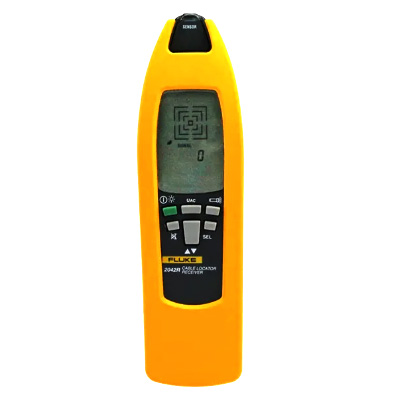
Find answers to common questions about Fault Locators & Tone Generators
Fault Locators & Tone Generator Price in Bangladesh is a common search term for professionals looking to purchase cable tracing and fault identification equipment. Fault locators and tone generators are testing instruments used to identify cable routes, trace conductors, locate wiring problems, and simplify electrical or communication network maintenance.
A fault locator helps technicians investigate problems such as cable breaks, short circuits, and signal transmission issues, depending on the instrument's capabilities. A tone generator sends an identifiable signal through a cable or conductor, while a compatible probe detects that signal to help trace the cable and identify the correct wire.
These instruments are useful for electricians, telecommunications technicians, network installers, industrial maintenance teams, and service engineers. The appropriate model depends on the cable type, installation environment, and troubleshooting requirements.
Fault locators and tone generators offer different functions depending on their design and intended application. Common features may include:
- Cable and wire tracing for identifying concealed conductors
- Tone transmission and detection for distinguishing target wires
- Cable continuity and fault investigation capabilities
- Visual indicators or audible signals for easier identification
- Adjustable sensitivity for different working environments
- Portable designs for field service and maintenance
- Compatibility with specified electrical, telephone, or data communication cables
Some advanced instruments support additional functions, such as distance-to-fault estimation or specialized network testing. Buyers should check the manufacturer's specifications because not every tone generator or cable tracer can detect every type of fault.
Fault locators and tone generators are suitable for a variety of cable installation, inspection, and maintenance tasks. Common applications include tracing concealed wiring, identifying conductors in distribution panels, investigating communication cable problems, and checking cable routes before maintenance work.
Telecommunications technicians may use tone generators with compatible probes to identify telephone wires and communication lines. Network installers can use suitable cable tracing tools to locate Ethernet and other supported cables. Electrical maintenance professionals may use dedicated fault locating instruments to investigate damaged wiring or underground cable problems.
The correct instrument should be selected according to the cable category, operating voltage, fault type, and required detection method.
Using appropriate fault locating and tone tracing equipment can improve maintenance efficiency and reduce unnecessary cable handling. Technicians can identify target conductors more systematically instead of relying entirely on visual inspection or trial and error.
Key benefits include faster cable identification, reduced troubleshooting effort, improved maintenance planning, and less disruption during electrical or communication system repairs. In suitable applications, these tools can also help reduce unnecessary dismantling of walls, cable trays, or equipment enclosures.
However, results depend on the instrument's capabilities and the installation conditions. Professional users should follow approved testing procedures and use appropriate safety equipment when working around electrical systems.
Fault locators and tone generators support a range of industries throughout Bangladesh, including:
- Telecommunications and internet service providers
- Electrical installation and maintenance services
- Commercial buildings and residential construction
- Manufacturing plants and industrial facilities
- Data centers and information technology infrastructure
- Utility maintenance and infrastructure projects
- Educational institutions and technical laboratories
- Security, access control, and communication system installation
These industries rely on cable identification and troubleshooting tools to maintain reliable infrastructure. The required instrument varies according to whether the application involves power cables, telephone lines, data networks, or specialized industrial wiring.
Choosing the right instrument begins with identifying the cable type and the problem you need to investigate. Consider the following factors before purchasing:
- Application: Determine whether you need wire tracing, telephone line identification, network cable testing, or power cable fault location.
- Detection capability: Check whether the instrument supports continuity testing, short circuit investigation, distance estimation, or other required functions.
- Compatibility: Confirm support for your cable type and installation conditions.
- Safety ratings: Verify voltage limits, measurement categories, and connection procedures where applicable.
- Ease of use: Consider probe sensitivity, signal indicators, portability, and operating controls.
- Supplier support: Review authenticity, warranty coverage, documentation, and technical assistance.
Comparing these factors helps engineers and technicians select suitable equipment for their working environment and maintenance requirements.
To help ensure product authenticity, purchase from a reputable supplier of electrical and electronic testing equipment in Bangladesh. Check the manufacturer's name, exact model designation, serial number where applicable, product packaging, and accompanying documentation.
Request an official invoice and confirm whether the product includes manufacturer documentation and a valid warranty. For branded instruments, verify the supplier's authorization status when possible. Compare the supplied specifications with the manufacturer's published information and inspect accessories for compatibility.
Avoid choosing equipment solely because it is advertised at an unusually low price. Reliable documentation and supplier transparency are important when selecting instruments for professional testing and maintenance work.
Warranty coverage depends on the manufacturer, product model, supplier, and purchase terms. Some instruments may include a manufacturer's warranty, while others may have different coverage arrangements depending on the source and product category.
Before ordering, ask the supplier to confirm the warranty period, covered components, exclusions, service procedure, and requirements for submitting a claim. Also check whether accessories and consumable components are covered.
Keep the purchase invoice, warranty documentation, and model details for future reference. Buyers should obtain written confirmation of the applicable terms rather than assuming that every fault locator or tone generator includes identical warranty protection.
Technical support may be available through the equipment supplier, manufacturer, or an authorized service provider. Support can help users understand instrument functions, choose compatible accessories, interpret operating instructions, and identify suitable testing methods for their applications.
Before purchasing, ask whether the supplier can provide product documentation, operating guidance, troubleshooting assistance, and after-sales service. For industrial and telecommunications applications, confirm that the support team understands the relevant cable types and testing requirements.
Proper training is especially important when equipment is used around energized circuits or sensitive communication infrastructure. Always follow the manufacturer's instructions and use instruments only within their specified operating limits.
To order fault locators and tone generators in Bangladesh, contact a reliable testing equipment supplier and explain your application requirements. Provide details about the cable type, intended testing method, installation environment, and any specific features you need.
Request confirmation of the available models, technical specifications, included accessories, warranty conditions, delivery options, and payment procedures. If you are purchasing for a company, factory, contractor, or engineering project, ask whether the supplier can provide a formal quotation and supporting product documentation.
Once the model and commercial terms are confirmed, follow the supplier's ordering procedure and retain the invoice for your records. Selecting equipment based on technical suitability, authenticity, and dependable after-sales support helps ensure a more informed purchasing decision.
Connect WhatsApp!Usually Replies Instantly!
Customer Support
Hello! Welcome to Advance Engineering Solutions. How can we help you today?