Compressive Strength Testing
- Home
- Solutions

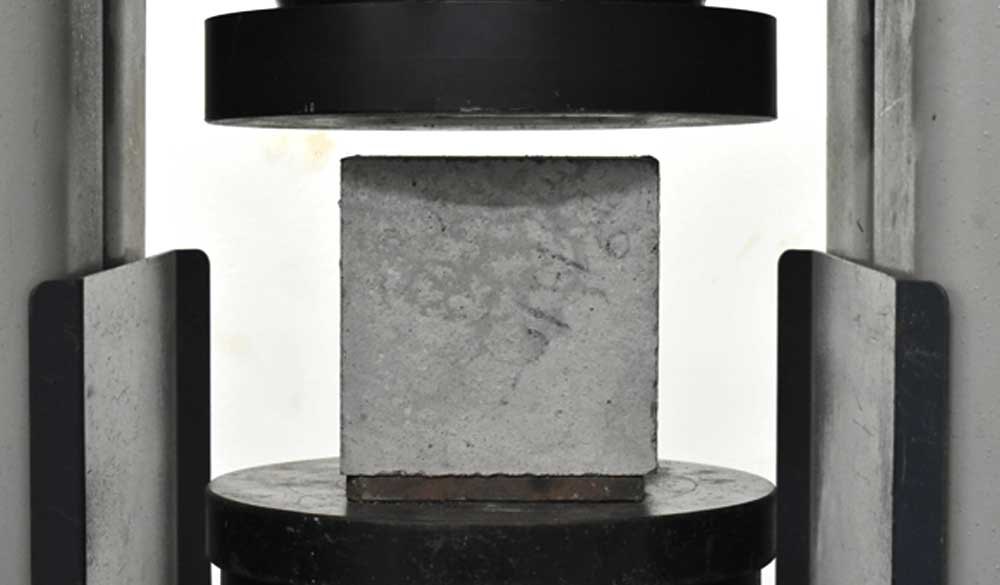
Concrete strength is a fundamental factor in determining the performance and reliability of a structure, and Compressive Strength Testing Service in Bangladesh helps engineers evaluate the load carrying capability and quality of concrete used in construction. Compressive strength testing provides important information about whether concrete has achieved the required performance for its intended application. The test is widely used for construction quality control, material verification, structural assessment, and acceptance of concrete work. Professional testing can help identify variations in concrete quality and provide dependable technical data for engineering decisions. Proper sampling, specimen preparation, curing, testing, and result interpretation are essential for obtaining meaningful results. The service is applicable to buildings, bridges, industrial structures, foundations, pavements, precast components, and other concrete construction projects.
Concrete structures are designed to withstand various loads throughout their service life. The compressive strength of concrete is therefore an important property considered during structural design and construction. Testing provides evidence about the actual performance of concrete produced and placed at a project site.
Compressive strength testing is useful for:
Testing should be performed using appropriate procedures and properly maintained equipment. Results need to be interpreted by competent personnel who understand concrete behavior and the limitations of the testing method.
A reliable compressive strength test begins with proper specimen preparation. Concrete specimens are collected or prepared according to the applicable project and testing requirements. The specimens must have suitable dimensions, shape, and surface condition for accurate testing.
Before testing, specimens are examined and prepared appropriately. The testing machine applies a controlled compressive load until the specimen reaches failure. The maximum load supported by the specimen is used to determine its compressive strength.
Important factors include:
Following a consistent procedure reduces testing errors and improves confidence in the reported results.
Concrete cube testing is widely used for assessing the compressive strength of concrete in construction projects. Properly prepared concrete cubes provide representative specimens for laboratory evaluation.
The specimen is placed carefully between the compression machine platens. The load is then applied under controlled conditions until the specimen fails. The observed failure load is used to determine the compressive strength based on the applicable testing procedure.
Cube testing is commonly used for:
The quality of the specimen is important because improper casting, compaction, curing, handling, or testing can influence the final result. Laboratory personnel should therefore follow established procedures throughout the testing process.
Concrete cylinders are another commonly used specimen for compressive strength assessment. Cylinder testing is particularly relevant to projects where cylindrical specimens are specified by the design or applicable standards.
The cylinder must be prepared, cured, handled, and tested correctly. Before compression testing, the specimen condition and loading surfaces are checked to reduce the possibility of inaccurate results.
Cylinder compressive strength testing can support:
Results from different specimen types should not be compared directly without considering the relevant testing procedures and conversion relationships. Engineers should interpret the results according to the requirements applicable to the project.
Quality control is essential for producing concrete with consistent performance. Variations in cement content, aggregates, water, admixtures, mixing, transportation, placement, and curing can affect the final strength.
Compressive strength testing provides measurable evidence of concrete performance. Regular testing can help identify changes in production quality and allow corrective action when required.
A strong quality control program considers:
Testing results can be reviewed together with production records to identify trends. This approach helps project teams maintain consistent concrete quality and reduce the possibility of unexpected performance problems.
Concrete mix design determines the proportions and characteristics of materials used to produce concrete with the desired performance. Compressive strength testing is an important part of evaluating whether a proposed mix can achieve its intended strength.
Trial mixes can be tested under controlled conditions to assess strength development and consistency. The results provide useful information for engineers when selecting or refining a concrete mix.
Mix design verification can help evaluate:
Testing should be supported by proper documentation and controlled specimen preparation. Reliable laboratory results help engineers make informed decisions before large scale concrete placement.
Construction projects require continuous quality monitoring to ensure that concrete work meets specified requirements. Compressive strength testing provides objective test data that can support quality assurance throughout construction.
Testing may be performed for structural concrete used in foundations, columns, beams, slabs, retaining structures, walls, pavements, and other components.
The testing program should be planned according to project requirements and the importance of each structural element. Sampling locations and specimen identification should be properly documented.
Reliable test records help construction teams:
When test results show unexpected performance, engineers can determine whether additional investigation or corrective action is necessary.
Existing structures may require strength assessment because of aging, deterioration, change of use, suspected construction deficiencies, fire exposure, excessive loading, or damage. Compressive strength testing can contribute to this assessment when suitable concrete samples are available.
Engineers may use core samples or other appropriate methods to investigate the actual condition of concrete within an existing structure. Laboratory testing can provide direct strength information from selected locations.
The results should be interpreted carefully because existing concrete may differ from newly produced concrete in age, moisture condition, carbonation, damage, and other characteristics.
A structural assessment may combine compressive strength results with:
This integrated approach provides a more reliable understanding of existing structural condition.
Concrete core testing is useful when engineers need to assess the in situ strength of an existing concrete structure. A core is extracted from a selected structural location and prepared for laboratory compression testing.
Core sampling must be carefully planned because drilling removes material from the structure. Engineers consider member geometry, reinforcement location, structural importance, and the purpose of the investigation before selecting sampling points.
Core testing can help investigate:
After extraction, cores must be handled and prepared properly before compression testing. The test results should be interpreted with consideration of sampling location, specimen condition, and applicable correction or evaluation procedures.
Many factors influence the compressive strength of concrete. Understanding these factors is important when interpreting laboratory results and investigating unexpected performance.
Important influences include:
Poor curing can significantly affect concrete development, while inadequate compaction may create internal voids and reduce effective strength.
Testing results should therefore be considered within their full technical context. A single result may not explain the overall condition of a structure or concrete production process.
Reliable compressive strength testing depends on suitable laboratory equipment and proper machine maintenance. The compression testing machine must be capable of applying load in a controlled and measurable manner.
Laboratory equipment should be inspected, maintained, and verified according to appropriate quality procedures. Machine alignment and loading conditions are particularly important because uneven loading can influence specimen failure.
A professional testing laboratory should maintain suitable facilities for:
Qualified laboratory personnel should also understand specimen handling, equipment operation, testing procedures, and result interpretation. Good laboratory practice improves confidence in the final test report.
Concrete compressive strength testing should follow recognized testing standards and project specifications. Standards establish requirements for specimen preparation, curing, equipment, loading, calculation, reporting, and result evaluation.
The applicable standard may depend on the project location, design specification, client requirements, and type of concrete specimen. Engineers should select the appropriate procedure rather than applying one testing method to every project.
Following recognized procedures provides consistency and improves comparability between test results. It also helps contractors, consultants, project owners, and quality control teams communicate using a common technical framework.
Laboratories should maintain clear procedures and records to demonstrate that testing has been performed correctly and consistently.
Professional Compressive Strength Testing Service provides valuable technical information for construction and structural engineering decisions. Accurate testing can improve quality control and help identify potential concrete performance issues.
Key benefits include:
Professional testing is especially valuable when project decisions depend on reliable material data. Proper laboratory procedures and experienced technical personnel help ensure that results are meaningful and suitable for engineering evaluation.
Compressive strength testing has broad applications across the construction and infrastructure sector in Bangladesh. It is relevant to residential buildings, commercial developments, industrial facilities, bridges, roads, foundations, public infrastructure, and specialized concrete structures.
The service can support both new construction and existing structure assessment. Contractors and project owners can use laboratory results for quality control, while consultants and engineers can use test information during structural evaluation.
Typical applications include:
A properly managed Compressive Strength Testing Service in Bangladesh helps provide dependable information about concrete performance. When sampling, specimen preparation, curing, testing, and reporting are performed correctly, the resulting data can support safer and more informed engineering decisions.