Defects of Concrete Subsurface
- Home
- Solutions

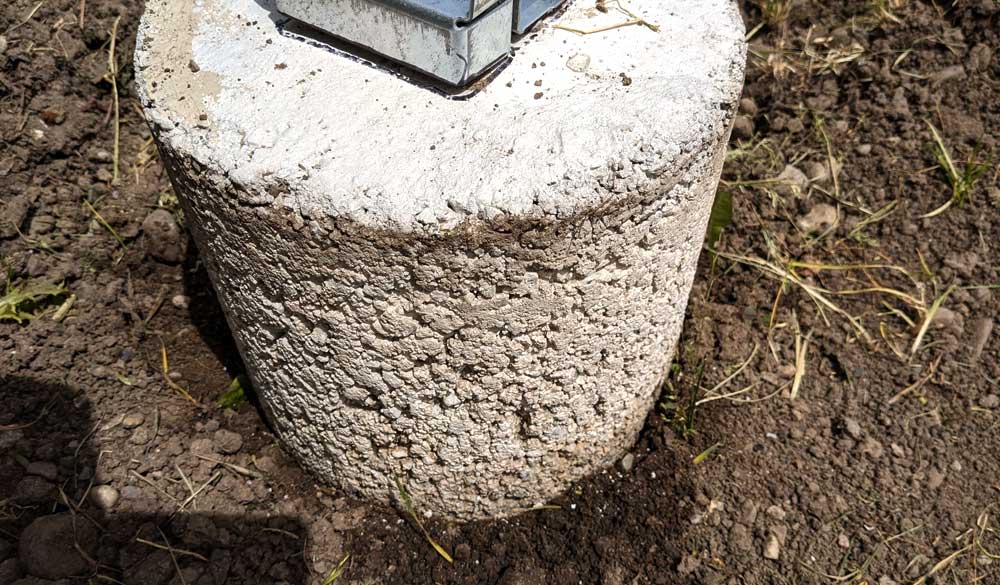
Concrete is a durable construction material, but hidden defects can develop below the visible surface due to poor workmanship, material problems, environmental exposure, or structural stress. Defects of Concrete Subsurface in Bangladesh focuses on identifying internal conditions that cannot be reliably detected through visual inspection alone. Subsurface defects may include voids, honeycombing, cracks, delamination, poor compaction, segregation, and areas of inconsistent concrete quality. Professional investigation helps engineers understand the actual condition of structural elements and determine suitable corrective measures. In Bangladesh, this type of assessment is valuable for buildings, bridges, industrial structures, foundations, pavements, retaining structures, and other reinforced concrete construction. Proper investigation can reduce uncertainty, support maintenance planning, and improve structural safety.
Subsurface defects can remain hidden for a long period before becoming visible. A concrete element may appear satisfactory externally while internal discontinuities reduce its strength, durability, or load carrying performance. Early detection allows engineers to investigate the cause before the defect becomes more serious.
Concrete subsurface inspection is particularly important when:
A systematic investigation provides useful information about concrete uniformity and internal conditions. It also helps engineers decide whether further testing, repair, strengthening, or monitoring is necessary.
Concrete can contain different types of internal defects depending on construction practices, material quality, curing conditions, environmental exposure, and service loads. Honeycombing is commonly associated with inadequate compaction and can create interconnected voids around reinforcement or inside structural members. Internal cracks may develop because of shrinkage, thermal movement, settlement, excessive loading, or environmental effects.
Other common defects include segregation, construction joints with poor bonding, delamination, internal cavities, debonded areas, and zones of weak concrete. Reinforcement corrosion can also create internal deterioration that eventually becomes visible through cracking and spalling.
Identifying the type and distribution of a defect is essential because different problems require different repair strategies. Professional subsurface assessment helps distinguish localized defects from widespread concrete quality problems.
Honeycombing occurs when concrete does not properly surround the aggregate and reinforcement. Poor vibration, congested reinforcement, unsuitable concrete workability, or inadequate placement practices can contribute to this condition. Although minor surface honeycombing may be visible, deeper honeycombing can remain concealed within the concrete.
Internal voids can reduce effective concrete continuity and may provide pathways for moisture and aggressive substances. In reinforced concrete, this can increase the risk of reinforcement deterioration.
Subsurface investigation can help determine the location and extent of hidden voids. Non destructive testing methods can be particularly useful where engineers need to examine large areas without unnecessary damage. The collected information can support decisions regarding localized repair, removal and replacement, strengthening, or additional investigation.
Cracks are among the most important indicators of concrete deterioration. Some cracks are visible at the surface, while others may extend deeper into the concrete. Internal cracks can result from drying shrinkage, thermal changes, settlement, structural loading, vibration, chemical reactions, or environmental exposure.
The location, direction, depth, and distribution of cracking provide important information for structural assessment. However, surface appearance alone does not always reveal the complete condition of a concrete element.
Non destructive investigation can help evaluate internal discontinuities and identify areas that require closer examination. Combining surface inspection with appropriate testing provides a better understanding of whether cracks are superficial or associated with deeper structural concerns.
Delamination occurs when layers within concrete separate from each other. This condition is frequently associated with reinforcement corrosion, moisture penetration, freeze related deterioration, poor construction, or other environmental influences. Delaminated concrete may initially remain attached to the surface and therefore be difficult to recognize visually.
As deterioration progresses, the affected area may produce hollow sounding regions, cracking, or surface spalling. If left untreated, delamination can expose reinforcement and accelerate deterioration.
Subsurface inspection can help identify potentially delaminated areas before significant material loss occurs. Mapping these regions allows engineers to estimate the distribution of deterioration and plan repair work more efficiently. This is especially useful for large structural surfaces where manual inspection alone may not provide sufficient coverage.
Segregation occurs when the components of fresh concrete become unevenly distributed during handling, placement, or vibration. Heavy aggregate may separate from the cement paste, creating areas with inconsistent density and strength. Poor compaction can also leave air pockets and voids inside the concrete.
These conditions may reduce structural quality and create pathways for water and harmful substances. They can be particularly concerning around reinforcement and in heavily congested structural sections.
Subsurface testing can help locate areas where concrete quality is inconsistent. Engineers can compare test results across different locations to identify patterns of weak or irregular concrete. This information is useful for construction quality evaluation as well as the assessment of existing structures.
Non destructive testing is an effective approach for investigating concrete without causing significant damage to the structure. Different methods provide different types of information, so engineers normally select a technique according to the suspected defect and structural requirement.
Common methods include:
Ultrasonic methods can provide information about internal continuity and concrete quality. Ground penetrating radar can assist in locating reinforcement, voids, embedded features, and subsurface irregularities. Impact based techniques can help investigate discontinuities and changes within concrete elements.
Using suitable methods together can provide a more reliable interpretation than relying on a single testing technique.
Ultrasonic Pulse Velocity testing is widely used for assessing concrete quality and internal continuity. The method evaluates the travel of ultrasonic pulses through concrete. Changes in pulse behavior can indicate differences in density, quality, cracking, or internal discontinuities.
Areas with relatively uniform concrete generally show consistent testing behavior, while defective or highly irregular zones may produce different results. Engineers can use this information to compare sections of a structure and identify locations that require additional investigation.
Ultrasonic testing is useful for beams, columns, slabs, walls, foundations, and other concrete components. It can support condition assessment without requiring extensive surface damage. Proper interpretation is important because moisture, aggregate type, reinforcement, path length, and concrete composition can influence test results.
Ground Penetrating Radar is a valuable technology for investigating concealed features and abnormalities within concrete. It uses electromagnetic signals to identify changes in subsurface conditions. The technique can assist engineers in locating reinforcement, embedded services, voids, interfaces, and areas with unusual internal characteristics.
GPR survey is especially useful when structural elements cannot be opened or damaged during inspection. It can provide rapid coverage across large concrete surfaces and support targeted investigation.
For construction and rehabilitation projects, GPR can help engineers understand the internal arrangement of concrete before drilling, cutting, coring, or repair work. When combined with other non destructive methods, radar information can improve confidence in subsurface condition assessment.
The rebound hammer is commonly used to evaluate the relative hardness and uniformity of concrete surfaces. Although it primarily assesses surface characteristics, it can provide useful supporting information during a broader concrete investigation.
Testing across multiple locations allows engineers to identify areas with different surface hardness. Significant variation may indicate changes in concrete quality, curing conditions, deterioration, or other factors.
Rebound hammer results should not be interpreted as a direct measurement of internal concrete strength without suitable correlation and engineering judgment. Surface moisture, carbonation, aggregate characteristics, orientation, and surface condition can influence readings.
For this reason, rebound hammer testing is most effective when combined with visual inspection and other suitable testing techniques. This integrated approach can help identify areas that require more detailed subsurface investigation.
Subsurface defects can occur in almost any concrete structural element. However, certain components deserve particular attention because their condition directly affects structural stability or service performance.
Important areas for investigation include:
Columns and beams may require investigation when cracks, unusual deformation, or deterioration are observed. Foundations may require subsurface assessment when settlement, water exposure, or construction quality concerns exist.
For bridges and industrial structures, large surface areas can make detailed inspection difficult. Appropriate non destructive techniques can improve coverage and help engineers identify locations requiring focused examination.
Understanding the cause of a defect is as important as identifying the defect itself. A repair may not remain effective if the original cause continues to affect the structure.
Common causes include poor concrete mix control, inadequate vibration, improper placement, insufficient curing, excessive water in the mix, material segregation, construction delays, reinforcement congestion, and poor workmanship.
Environmental factors can also contribute significantly. Moisture penetration, aggressive chemicals, carbonation, reinforcement corrosion, temperature changes, and repeated loading can gradually reduce concrete durability.
During an investigation, engineers consider construction history, environmental exposure, structural use, visible deterioration, and testing results. This helps establish a more complete understanding of the defect mechanism and supports an appropriate repair strategy.
Concrete condition mapping is useful for documenting the location and distribution of defects. Engineers can divide a structural surface into inspection areas and record visible and measured conditions. The resulting map can show cracks, delamination, suspected voids, moisture affected areas, and zones requiring additional testing.
Mapping provides several practical benefits. It creates a visual record of the structure and makes it easier to compare conditions during future inspections. It can also help contractors estimate repair areas and prioritize critical locations.
For large structures, digital survey information and GPR data can improve the efficiency of defect mapping. When combined with photographs, test results, and engineering observations, a condition map becomes a valuable part of a structural assessment report.
Professional investigation provides engineers with information that cannot always be obtained through visual inspection. It supports safer decisions by revealing potential internal problems and areas of inconsistent concrete quality.
Major benefits include:
A properly planned investigation can also reduce project uncertainty. Instead of applying repair materials across an entire structure, engineers can focus resources on areas where deterioration has been confirmed or strongly indicated.
A professional concrete subsurface investigation should produce a clear technical report. The report normally describes the inspected structure, observed defects, testing approach, findings, interpretation, and recommendations.
Important information may include testing locations, defect maps, photographs, equipment used, observed concrete conditions, and interpretation of non destructive test results. Where necessary, additional laboratory or destructive testing can be recommended for confirmation.
Engineering recommendations should be based on the actual condition of the structure rather than assumptions. Depending on the findings, recommendations may include localized concrete repair, crack treatment, waterproofing, corrosion protection, strengthening, continued monitoring, or detailed structural analysis.
A well prepared report gives building owners, consultants, contractors, and engineers a practical basis for planning corrective work.
Defects of Concrete Subsurface in Bangladesh are relevant to both new and existing construction projects. The country's expanding urban development, industrial facilities, transportation infrastructure, and rehabilitation projects create a strong need for reliable concrete condition assessment.
Subsurface investigation can support:
Bangladesh's environmental conditions can expose concrete structures to moisture, humidity, chemicals, and other deterioration factors. Regular inspection and appropriate non destructive testing can help identify developing problems before they result in major structural damage.
Professional assessment therefore plays an important role in extending service life, improving maintenance planning, and supporting safer concrete infrastructure.