Industrial Solar Systems
- Home
- Solutions

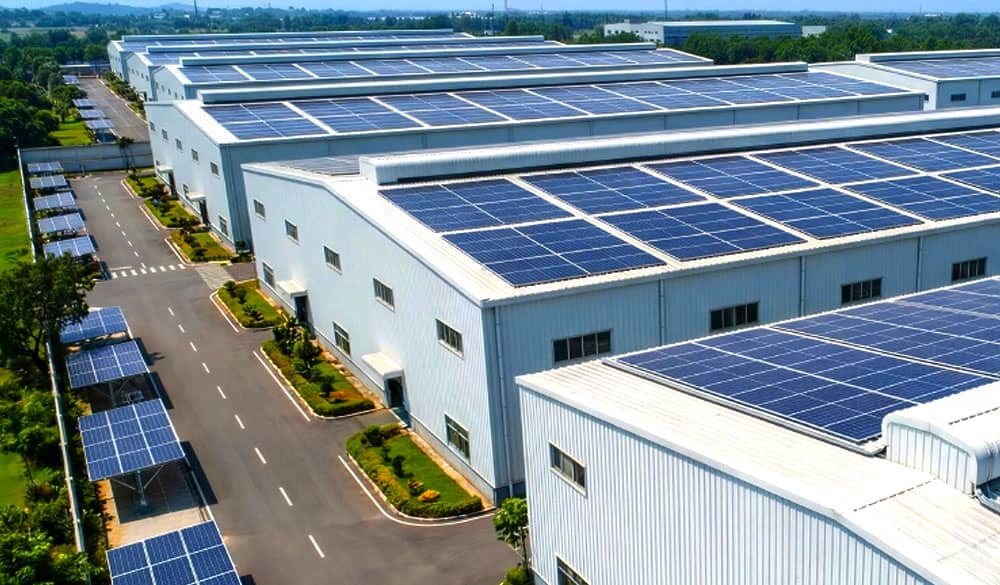
Industrial solar power systems are becoming an effective solution for factories and manufacturing facilities, making industrial solar systems in Bangladesh an important part of modern industrial energy management. These systems use photovoltaic technology to convert sunlight into electrical energy for production plants, processing facilities, warehouses, workshops, and large industrial buildings. A properly engineered solar installation can work with an existing electrical network and support the facility's operational requirements. Industrial solar projects require more than panel installation because factories often have complex electrical loads, large machinery, motor-driven equipment, ventilation systems, cooling systems, lighting, and automation controls. Engineers must consider the facility's load profile, roof structure, electrical distribution, operating environment, and maintenance requirements before selecting system components. Quality solar panels, reliable inverters, strong mounting structures, suitable cables, and effective protection equipment can contribute to stable operation. With professional design and installation, industrial solar can support cleaner energy use, better resource management, and dependable long term performance.
Industrial solar system design requires detailed technical planning because every manufacturing facility has different electrical and structural characteristics. Engineers begin by reviewing the facility's energy consumption, electrical distribution, available installation areas, and operating schedule. The solar array must be positioned to receive suitable sunlight while reducing the impact of shading from buildings, equipment, chimneys, tanks, or nearby structures. Electrical engineers also assess voltage levels, current requirements, cable routes, protection devices, inverter locations, and connection points. Structural engineers may evaluate the roof or supporting structure before equipment is installed. The design should also provide suitable access for inspection, cleaning, and maintenance. A coordinated engineering approach ensures that the photovoltaic system integrates properly with the industrial facility rather than operating as a separate installation. Proper design improves safety, energy performance, equipment compatibility, and system reliability. It also allows future maintenance activities to be performed efficiently without unnecessarily interrupting industrial operations.

Factory rooftops can provide valuable space for solar power generation. Large industrial buildings often have broad roof areas that remain unused during normal operations, making them suitable for photovoltaic installations when structural conditions are appropriate. Before installation, engineers should inspect the roof condition, load capacity, drainage, orientation, shading, wind exposure, and access requirements. The mounting structure must be selected according to the roof design and environmental conditions. Proper waterproofing and cable management are also important to prevent damage to the building. Solar panels should be arranged to provide efficient energy generation while maintaining safe pathways for maintenance personnel. Equipment placement should not interfere with ventilation systems, exhaust equipment, skylights, or other important roof facilities. A carefully designed factory rooftop solar system can use existing infrastructure efficiently and generate renewable electricity close to the point of consumption. This can make rooftop solar a practical option for many industrial facilities seeking improved energy management.
Manufacturing facilities depend on stable electricity for machinery, production lines, lighting, ventilation, pumps, compressors, cooling equipment, and automated systems. Industrial solar can support these electrical requirements by generating renewable power during suitable solar conditions. The system should be designed around the facility's actual operating profile rather than relying on a generic configuration. Engineers can review production schedules and electrical demand patterns to understand how solar generation can interact with existing power consumption. Special attention may be required for large motors, variable frequency drives, sensitive electronic equipment, and automated production systems. Power quality and electrical protection should be considered during system integration. Solar generation can also be combined with energy efficient equipment to improve overall facility performance. When properly designed, industrial photovoltaic systems can become part of the factory's electrical infrastructure and contribute to more efficient energy utilization. This approach helps businesses view solar power as an engineered energy solution rather than simply an alternative source of electricity.
Solar panel selection is an important part of industrial system design because panels are exposed to outdoor environmental conditions for long periods. Industrial facilities should use photovoltaic modules that are appropriate for the installation environment and expected operating conditions. Engineers should consider electrical characteristics, temperature behavior, mechanical strength, environmental protection, mounting requirements, and compatibility with the selected inverter. The installation location may also influence panel selection. Factories in dusty environments may require additional attention to cleaning and maintenance, while facilities exposed to high humidity require suitable protection against moisture. Panels should be installed with appropriate spacing and orientation to support effective ventilation and reduce unnecessary heat accumulation. Mechanical fixing must be secure and compatible with the mounting structure. Proper component selection improves system reliability and supports consistent energy production. The objective is not simply to select high performance modules but to choose equipment that can operate reliably within the specific industrial environment.
The inverter is a critical component of a photovoltaic system because it converts the electrical output of solar panels into usable power for the facility's electrical network. Industrial solar installations often require careful inverter selection because of their larger electrical capacity and more complex operating conditions. Engineers evaluate input voltage ranges, output characteristics, efficiency, protection functions, communication features, installation environment, and compatibility with the electrical distribution system. Inverter placement is also important. The equipment should be located where ventilation, inspection, and maintenance can be carried out safely. Excessive heat, moisture, dust, and restricted airflow can affect equipment performance, so the installation environment should be considered during design. Suitable protection and isolation equipment should be provided around the inverter. Monitoring capability can also help operators observe operating conditions and identify potential faults. A correctly selected and properly installed inverter contributes significantly to the stability, efficiency, and safety of an industrial solar power system.
Industrial solar works best when it is integrated into a broader energy management strategy. Factories can evaluate their electrical consumption and identify major energy users such as motors, pumps, compressors, cooling systems, and lighting. Solar generation can then be coordinated with energy efficient equipment and operational practices. Energy monitoring systems can provide information about solar production and facility consumption, helping engineers and managers understand how electricity is being used. This information can support load management and preventive maintenance. Businesses can also identify equipment that operates unnecessarily or consumes more energy than expected. Combining solar power with efficient electrical equipment creates a more comprehensive approach to industrial energy performance. The goal is to maximize useful energy while maintaining safe and stable production. A properly managed solar installation can therefore support both renewable energy generation and improved electrical efficiency across the industrial facility.

Grid connected industrial solar systems are designed to operate alongside an existing electrical supply. This configuration can be suitable for factories that already depend on a utility connection for normal operations. Solar power can support the facility's electrical loads while the existing grid infrastructure remains part of the overall supply arrangement. The connection must be carefully engineered to maintain safe operation and appropriate protection. Engineers review the main distribution system, electrical loads, inverter characteristics, cable capacity, grounding, protection devices, and connection points before commissioning. Power flow and system behavior should also be evaluated under different operating conditions. Proper synchronization and protective functions are essential for safe integration. Monitoring systems can provide useful information about solar generation and equipment status. A grid connected industrial solar systems can therefore be integrated into an existing factory electrical network with minimal disruption when the project is properly planned and installed according to applicable technical requirements.
Some industrial facilities require greater flexibility in managing their electrical supply. Hybrid solar systems can combine photovoltaic generation with battery storage and other power sources to support selected operational requirements. Battery storage allows solar energy to be stored for later use, depending on the system design and facility needs. Engineers must evaluate critical loads, operating schedules, battery characteristics, inverter capacity, installation conditions, and control requirements before developing a hybrid configuration. Storage equipment also requires suitable ventilation, protection, monitoring, and safe access. The control system should determine how solar generation, battery charging, discharging, and other power sources interact. A well designed hybrid system can provide greater control over energy resources and support critical industrial loads. It can also help facilities make better use of generated solar energy according to their operating requirements. Hybrid systems should always be engineered specifically for the facility rather than selected as a standard package.
Industrial solar mounting structures must withstand environmental and mechanical conditions throughout the operating life of the installation. The structure supports the solar panels and transfers loads safely to the roof or ground foundation. Engineers consider wind forces, panel arrangement, roof characteristics, material properties, corrosion exposure, drainage, and maintenance access when selecting the mounting solution. In industrial environments, moisture, dust, chemical exposure, and temperature variations may create additional challenges. Suitable materials and protective coatings can improve resistance to corrosion and environmental degradation. Fasteners and connections should also be selected for the installation conditions. The mounting system should be installed without damaging the building structure or creating avoidable water leakage. Proper structural engineering is essential because the performance of the solar panels depends partly on the stability of their support system. A durable mounting structure contributes to system safety, reliability, and long term maintainability.
Electrical protection is a fundamental requirement for industrial photovoltaic installations. Solar systems introduce additional electrical sources into the facility, so appropriate protection must be integrated into the overall electrical design. Engineers consider circuit protection, isolation, grounding, surge protection, cable selection, and equipment coordination. Protection devices should be selected according to the system's electrical characteristics and installation environment. Proper grounding helps reduce electrical safety risks and supports the correct operation of protective equipment. Surge protection can help protect sensitive electrical and electronic components from transient voltage events. Cables should be routed and secured to reduce mechanical damage, moisture exposure, and unnecessary heat accumulation. Electrical panels and isolation devices should remain accessible for authorized maintenance personnel. Correct protection design helps safeguard solar equipment, connected loads, and personnel. It also supports reliable operation by reducing the likelihood of equipment damage caused by electrical faults or abnormal conditions.
Solar monitoring systems provide valuable operational data for industrial facilities. A monitoring platform can track solar generation, inverter operation, equipment status, and selected electrical parameters. Facility managers can use this information to identify performance changes and investigate potential problems. Monitoring can also support preventive maintenance because unusual operating behavior may indicate a developing equipment issue. When solar production data is reviewed alongside factory electricity consumption, engineers can better understand the interaction between renewable generation and industrial loads. This information can help optimize operating schedules and energy management practices. Remote monitoring may also allow technical teams to review system performance without being physically present at the installation. Effective monitoring should be selected according to the complexity and requirements of the facility. Good data management can improve visibility, maintenance planning, and overall system control. It also provides useful information for evaluating the ongoing performance of the industrial solar installation.
Regular maintenance is necessary to keep an industrial solar system operating safely and efficiently. Solar panels should be inspected for dust, dirt, shading, physical damage, and other conditions that may affect energy generation. Mounting structures should be checked for corrosion, loose connections, mechanical stress, and other structural concerns. Electrical equipment should be inspected for damaged cables, loose terminals, abnormal heating, and signs of environmental exposure. Inverters and monitoring systems can provide diagnostic information that supports maintenance activities. Cleaning requirements depend on the installation environment and the level of dust or contamination present at the facility. Maintenance teams should also verify that access pathways remain clear and that equipment can be safely inspected. Preventive maintenance helps identify potential faults before they become major operational problems. It also supports consistent energy generation and extends the practical service life of important system components. Maintenance activities should always follow appropriate electrical and workplace safety procedures.
Industrial solar energy can provide several operational and environmental benefits when the system is properly designed. Renewable electricity generation can help factories diversify their energy resources and improve the way available power infrastructure is used. Solar panels can make productive use of factory rooftops and suitable open areas. The technology also supports cleaner electricity generation during normal operation without direct fuel combustion at the solar array. When combined with energy efficient equipment, monitoring, and good maintenance, solar power can contribute to better overall energy management. Industrial businesses can also incorporate renewable energy into broader sustainability programs and environmental objectives. The benefits depend on system design, solar resource, equipment quality, facility demand, and operating practices. Therefore, businesses should evaluate solar as part of a complete engineering and energy management strategy. A properly planned installation can provide dependable renewable generation while supporting the long term development of more efficient industrial facilities.
Selecting an experienced industrial solar provider is essential for achieving reliable system performance. Businesses should assess the provider's engineering capabilities, site assessment process, equipment quality, installation standards, electrical expertise, monitoring solutions, and maintenance support. A professional provider should understand industrial electrical systems and the operational requirements of manufacturing facilities. The project should begin with a detailed site and load assessment rather than an immediate equipment recommendation. System drawings, electrical designs, structural considerations, protection arrangements, and equipment specifications should be reviewed before installation. The provider should also offer proper commissioning and technical documentation after project completion. Clear maintenance procedures can help the facility's technical team manage the system effectively. Choosing the right engineering partner reduces technical risks and helps ensure that the solar installation works safely with existing industrial infrastructure. A complete service approach is particularly valuable for facilities where electrical reliability and production continuity are critical.