Fireman Safety
- Home
- Industries

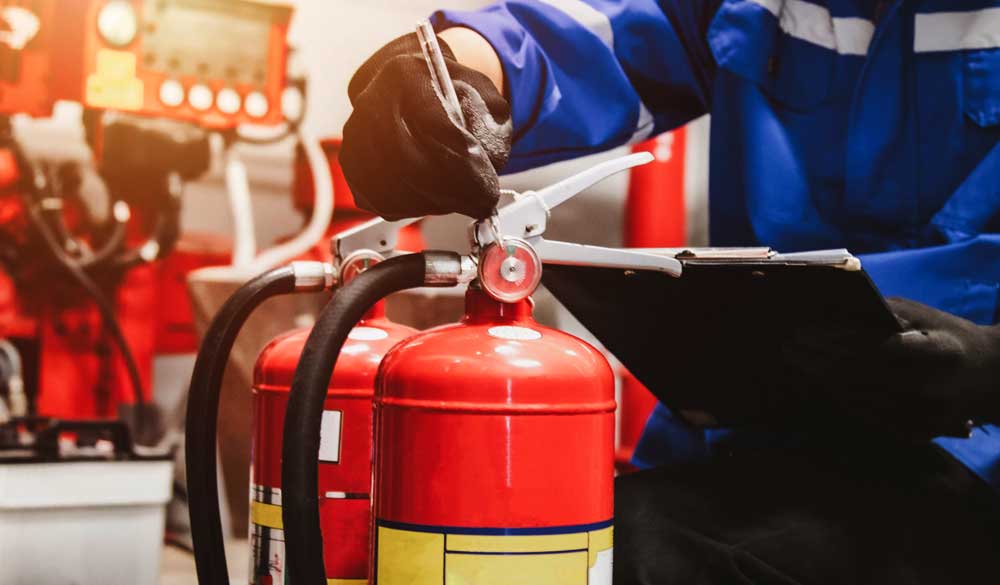
Professional fire protection requires dependable equipment, trained personnel, and well planned emergency procedures, making Fireman Safety Solutions in Bangladesh an important requirement for industrial facilities, commercial buildings, factories, warehouses, hospitals, power plants, and emergency response organizations. Fireman safety solutions are designed to protect firefighters from heat, smoke, toxic gases, falling objects, flames, and other hazards encountered during fire suppression and rescue operations. A complete solution combines personal protective equipment, respiratory protection, communication devices, rescue equipment, fire resistant clothing, helmets, gloves, boots, lighting equipment, and operational support. The quality of each component can directly influence firefighter mobility, comfort, visibility, and safety during demanding conditions. Professional selection should consider the type of fire risk, working environment, expected exposure, equipment compatibility, maintenance requirements, and applicable safety standards. Proper storage and inspection are equally important because safety equipment must remain ready for immediate use. In Bangladesh, where industrial and urban environments can present complex fire risks, organizations need practical and durable firefighter protection systems that support emergency teams throughout response, rescue, evacuation, and recovery activities.
Firefighter personal protective equipment forms the foundation of a reliable emergency response system. Firefighters may encounter extreme heat, flames, smoke, chemicals, sharp materials, unstable structures, and difficult working conditions. Protective equipment creates a barrier between the responder and these hazards while allowing essential movement during emergency operations. A suitable PPE package should be selected according to the specific duties of the user and the environment in which it will be used. Equipment should fit properly and work together without restricting mobility or creating unnecessary discomfort. Common firefighter PPE includes:
Durability is particularly important because firefighting equipment can experience heat, moisture, dirt, mechanical stress, and repeated cleaning. PPE should therefore be inspected regularly and removed from service when it no longer provides the required level of protection. Proper sizing, storage, cleaning, and maintenance can extend useful service life while supporting firefighter readiness.
Fire resistant clothing is designed to reduce firefighter exposure to heat, flames, radiant energy, and other thermal hazards. Protective clothing normally forms a complete system that may include coats, trousers, hoods, and other garments. Material selection, construction quality, thermal performance, flexibility, moisture management, and fit are important considerations when choosing protective clothing. Firefighters require sufficient freedom of movement to climb, crawl, carry equipment, operate valves, use hoses, and perform rescue activities. Heavy or poorly fitted clothing can increase fatigue and reduce efficiency during extended operations. A professional fire resistant clothing solution should provide a practical balance between protection, comfort, durability, and mobility. Clothing should also be compatible with other PPE components, including helmets, gloves, boots, and respiratory equipment. Organizations should establish clear inspection and cleaning procedures because contamination from smoke, chemicals, oils, and other substances can affect protective materials. Damaged seams, closures, reflective elements, or thermal layers should be evaluated by competent personnel before the garment is returned to service.
A firefighter helmet provides protection against heat, falling objects, impact, and other hazards that may occur during emergency response. Head protection is especially important in environments where building materials, equipment, glass, or other objects can fall unexpectedly. A professional helmet should provide a secure fit while allowing the firefighter to move naturally and maintain awareness of the surroundings. The helmet may include components for eye protection, face protection, hearing considerations, and communication accessories. Material durability and resistance to environmental exposure are important for long term performance. Helmet inspection should include the shell, suspension system, chin strap, visor, adjustment mechanism, and other attached components. Any significant impact or visible damage should trigger an appropriate inspection before continued use. Firefighters should also ensure that helmets are compatible with hoods, breathing apparatus, communication equipment, and other PPE. Proper storage away from excessive heat, chemicals, and physical damage helps maintain the condition of the helmet between emergency operations.
Hands are exposed to many hazards during firefighting and rescue work, including heat, sharp materials, contaminated surfaces, water, chemicals, and mechanical impact. Firefighter gloves provide protection while allowing users to maintain the dexterity required for handling hoses, tools, doors, equipment, and rescue devices. An effective glove should balance thermal protection with flexibility and grip. Excessively rigid gloves may protect against certain hazards but can make detailed tasks more difficult. Material selection should therefore match the operational environment. Gloves should be inspected for damaged seams, worn surfaces, contamination, loss of flexibility, and other signs of deterioration. Proper cleaning and drying procedures can help maintain their condition. Firefighters should avoid using damaged gloves during critical operations because compromised materials may reduce protection. Organizations should maintain appropriate replacement procedures and ensure that every responder has correctly fitted hand protection. When gloves are integrated into a broader PPE system, compatibility with protective sleeves and clothing can also reduce exposed areas around the wrists and arms.
Firefighter boots protect the feet from heat, water, sharp debris, slippery surfaces, impact, and other hazards commonly found at emergency sites. A suitable boot should provide thermal protection while maintaining stability and traction across different surfaces. Fire scenes may contain broken glass, metal fragments, chemicals, wet floors, unstable materials, and hidden obstacles. Strong soles and appropriate protective construction help reduce the risk of foot injuries during movement. Comfort is also important because firefighters may remain active for extended periods during emergency response. Boots should fit securely without causing excessive pressure or restricting movement. Routine inspection should cover the sole, upper material, seams, protective components, and fastening system. Contamination should be removed according to the manufacturer's maintenance instructions. Wet boots should be dried correctly to prevent material deterioration. Selecting boots that work effectively with protective trousers and other PPE can create a more complete barrier around the lower body.
Smoke and toxic gases can make fire environments extremely dangerous even when flames are not directly present. Self Contained Breathing Apparatus, commonly known as SCBA, provides firefighters with a controlled breathing air supply while operating in contaminated atmospheres. A typical SCBA system includes an air cylinder, regulator, face mask, harness, pressure monitoring system, and associated components. Correct fitting and training are essential because respiratory protection depends on the complete system working properly. Firefighters must understand how to inspect, wear, operate, and maintain the equipment before entering hazardous environments. SCBA maintenance should include inspection of cylinders, regulators, face pieces, hoses, seals, pressure indicators, and harness components. Breathing air quality must also be managed according to applicable safety requirements. Proper storage protects the apparatus from contamination and physical damage. Because respiratory equipment is life supporting, organizations should establish clear inspection, servicing, testing, and replacement procedures and ensure that only trained personnel use the equipment during emergency operations.
Reliable communication helps emergency teams coordinate movement, share hazard information, request assistance, and maintain contact with command personnel. Fire scenes can be noisy, smoky, complex, and constantly changing, making clear communication particularly important. Firefighter communication solutions may include rugged radios, headsets, microphones, speaker systems, and other compatible accessories. Equipment should be selected for the expected operational environment and should remain practical when firefighters are wearing gloves, helmets, breathing apparatus, and protective clothing. Communication equipment should also be protected against heat, moisture, dust, impact, and other field conditions as appropriate. Organizations should establish clear communication procedures and ensure that personnel understand radio operation before an emergency occurs. Battery condition, charging arrangements, antenna condition, audio quality, and physical integrity should be checked regularly. Proper communication planning can improve coordination between entry teams, rescue teams, drivers, incident commanders, and support personnel. It also helps reduce misunderstandings when visibility is limited and rapid decisions are required.
Thermal imaging cameras can help firefighters identify heat patterns and locate people or potential fire sources in conditions where normal visibility is limited. A thermal camera detects differences in infrared radiation and converts them into a visual representation that can assist the user in understanding the surrounding environment. These devices can be valuable during search and rescue, fire location, hot spot identification, and building assessment. A rugged thermal imaging camera should be suitable for demanding emergency environments and designed for practical operation while wearing protective gloves. Important features may include a clear display, intuitive controls, durable housing, suitable battery performance, and resistance to environmental conditions. Thermal imaging does not replace normal visual assessment or firefighter judgment. Objects can appear differently depending on material, temperature, smoke conditions, and environmental factors. Firefighters therefore require appropriate training to interpret thermal images correctly. Regular inspection, battery maintenance, lens cleaning, and functional testing help ensure that the camera remains ready when needed.
Rescue operations often require specialized hand tools and powered equipment to create access, remove obstacles, lift materials, or assist trapped people. Firefighter rescue tools should be durable, easy to handle, and suitable for the intended emergency environment. Tool selection depends on building construction, industrial hazards, vehicle incidents, confined spaces, and other operational requirements. Common categories include forcible entry tools, cutting tools, lifting equipment, pry tools, rescue ropes, harnesses, and specialized access equipment. Tools should be stored in an organized manner so that responders can locate them quickly during an emergency. Routine inspections should identify damaged handles, worn cutting surfaces, corrosion, loose components, and other defects. Training is essential because incorrect use of rescue tools can create additional hazards. Personnel should understand the safe operating limits of each tool and use appropriate PPE during rescue operations. Proper equipment management helps ensure that rescue teams can respond efficiently without depending on improvised solutions in high risk situations.
Rope and harness systems are important for rescue operations involving heights, difficult access areas, confined spaces, and unstable environments. These systems require careful selection because their performance can depend on material condition, loading conditions, connection methods, storage, and inspection. Rescue ropes should be protected from sharp edges, excessive heat, chemicals, contamination, and unnecessary abrasion. Harnesses and connectors must also be checked for wear, deformation, contamination, and other signs of damage. Firefighters should receive specialized training before using rope rescue equipment. A complete rescue system must be planned rather than assembled randomly during an emergency. Appropriate anchors, connectors, protective equipment, communication procedures, and rescue techniques should be established in advance. After use, equipment should be inspected and stored according to manufacturer guidance. Any equipment exposed to serious loading or contamination should receive appropriate evaluation before being returned to service.
Visibility can be severely reduced by smoke, darkness, power failure, dust, and structural conditions during a fire. Reliable emergency lighting and firefighter visibility equipment can help responders navigate hazardous environments and identify escape routes, equipment, doors, and other important locations. Portable intrinsically suitable or rugged lighting equipment may be selected for specific environments where electrical and ignition hazards must be considered. Helmet mounted lights can provide hands free illumination while portable lights can support search and rescue teams. Reflective markings and high visibility elements can also help identify personnel in complex environments. Lighting equipment should be checked regularly for battery condition, charging performance, physical damage, switch operation, and illumination quality. Organizations should maintain suitable charging and storage arrangements so that emergency lights remain ready for deployment. Good visibility planning can support safer movement and coordination, particularly when normal building lighting is unavailable.
Equipment alone cannot provide complete firefighter protection. Personnel need practical training that teaches them how to use PPE, breathing equipment, communication devices, rescue tools, and emergency procedures correctly. Training should reflect the hazards present in the actual workplace or response area. Firefighters should understand how equipment behaves under realistic conditions and how to identify damaged or unsuitable components. Training programs can include:
Regular drills help personnel develop confidence and coordination. Training should also include scenarios where equipment fails or conditions change unexpectedly. Incident commanders and support personnel need appropriate training as well because effective emergency response depends on teamwork. Documentation of training and equipment inspection can help organizations maintain readiness and identify areas requiring improvement.
Fireman safety equipment must be maintained carefully because protective performance can decline through normal use, contamination, aging, improper storage, or accidental damage. Maintenance should follow manufacturer instructions, applicable standards, and organizational procedures. Every item should have a defined inspection process based on its function and risk level. Protective clothing should be checked for tears, contamination, damaged closures, and material deterioration. Helmets, gloves, boots, breathing apparatus, radios, thermal cameras, ropes, harnesses, and rescue tools require their own inspection criteria. Equipment should be cleaned and stored under appropriate conditions. Wet or contaminated equipment should not simply be placed into storage without proper treatment. Organizations should maintain inspection records and clearly identify equipment that is out of service. Preventive maintenance reduces the possibility of discovering a critical defect during an emergency. It also supports better inventory management and helps organizations plan replacement activities before essential equipment becomes unavailable.
Industrial sites can contain combustible materials, electrical systems, machinery, chemicals, pressurized equipment, storage areas, and complex production processes. Firefighter safety solutions for these environments must therefore be selected according to the specific hazards of the facility. A factory may require respiratory protection and chemical resistant equipment, while a warehouse may place greater emphasis on smoke exposure, structural hazards, and large scale search operations. Industrial emergency teams should work with facility safety personnel to identify realistic scenarios and equipment requirements. Site specific planning can include:
Firefighter equipment should be stored in accessible locations while remaining protected from unauthorized use, contamination, and environmental damage. Industrial facilities should also coordinate their firefighter safety systems with fire detection, suppression, emergency lighting, evacuation, and incident management procedures.
Modern fireman safety solutions increasingly combine protective equipment with digital technologies, monitoring systems, training platforms, and emergency communication tools. Smart solutions can help organizations manage equipment readiness, personnel coordination, incident information, and maintenance activities more effectively. Digital inventory systems can track inspection status and equipment allocation. Connected communication tools can support coordination between responders and command teams. Training simulators can provide realistic scenarios without exposing personnel to actual fire hazards. Thermal imaging and environmental sensors can also provide additional information during emergency operations. However, smart technology should support fundamental safety practices rather than replace them. Firefighters still require dependable PPE, proper training, clear procedures, and disciplined maintenance. In Bangladesh, organizations can benefit from integrated fireman safety solutions designed around their actual building, industrial, environmental, and operational conditions. Professional assessment helps identify the right combination of equipment and procedures. With appropriate planning, reliable equipment, regular training, and preventive maintenance, Fireman Safety Solutions in Bangladesh can strengthen emergency preparedness and provide firefighters with greater protection during demanding rescue and fire suppression operations.