Find answers to common questions about Data Acquisition System
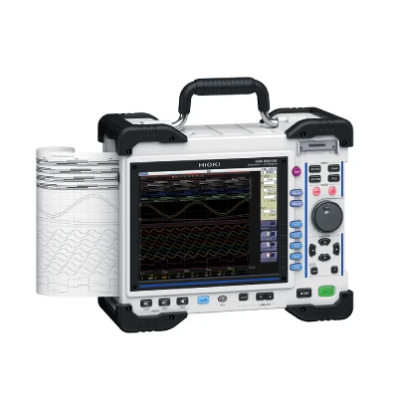
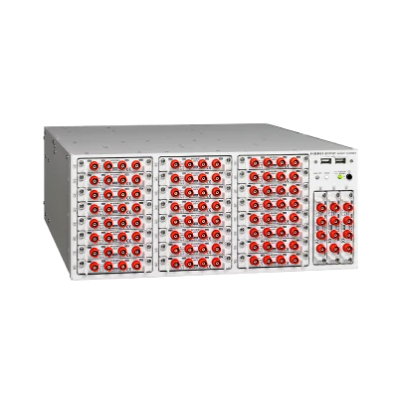
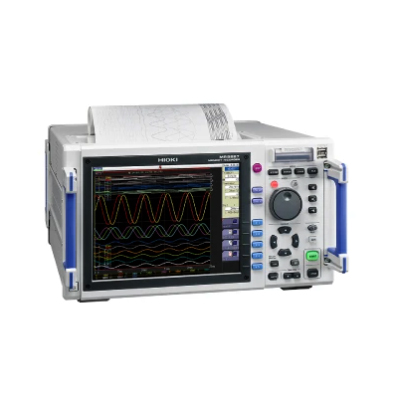
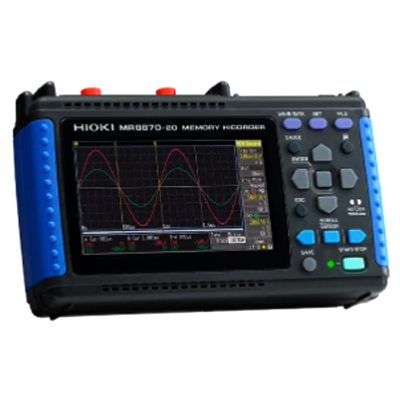
Data Acquisition System Price in Bangladesh refers to the market cost of equipment used to collect, measure, record, and monitor physical or electrical signals. A data acquisition system, commonly called a DAQ system, can receive signals from sensors and measurement devices and convert them into usable digital information.
The overall cost depends on factors such as the number of input channels, supported signal types, sampling performance, measurement accuracy, software capabilities, communication interfaces, data storage options, and system configuration.
Different applications require different DAQ configurations. A basic system may be suitable for simple monitoring, while advanced systems can support multiple sensors and continuous data recording for demanding engineering or industrial applications.
When evaluating the Data Acquisition System Price in Bangladesh, buyers should compare technical capability, reliability, compatibility, documentation, warranty, and after-sales support rather than considering purchase cost alone.
A data acquisition system collects information from sensors, transducers, and other measurement sources. It processes the incoming signals and transfers the measured information to a computer, display, controller, or storage system for analysis and monitoring.
Depending on its configuration, a DAQ system can measure parameters such as temperature, voltage, current, pressure, strain, vibration, humidity, resistance, and other physical or electrical quantities.
The system typically includes signal inputs, conditioning circuitry, data conversion hardware, communication interfaces, and software or recording functionality. This allows engineers and technicians to observe measurements over time instead of relying only on individual manual readings.
DAQ systems are therefore useful when accurate, repeatable, and organized measurement data is required.
Important features depend on the intended application. Buyers should first consider the required number and type of input channels. The system should support the sensors and signals used in the measurement setup.
Other factors include measurement accuracy, sampling rate, resolution, isolation, signal conditioning, communication interfaces, software compatibility, data storage, and synchronization capabilities.
For long-term monitoring, stable data logging and dependable communication can be especially important. For laboratory testing, higher sampling performance and flexible software may be more valuable.
Environmental conditions should also be considered. If the system will be used in industrial or field environments, the equipment should be appropriate for the expected temperature, vibration, dust, electrical noise, and other operating conditions.
Data acquisition systems are used in many technical and industrial applications throughout Bangladesh. They can support laboratory testing, manufacturing process monitoring, research, electrical testing, environmental monitoring, structural testing, equipment performance analysis, and engineering development.
Industries such as power generation, manufacturing, pharmaceuticals, automotive, textile, construction, electronics, food processing, and research institutions may use DAQ technology for collecting measurement data.
Engineers can connect sensors to a DAQ system and monitor changes over time. This can help identify trends, irregularities, performance changes, and potential equipment problems.
The appropriate configuration depends on the measurement parameters, sensor types, recording duration, and analysis requirements of the project.
One of the main benefits of a data acquisition system is its ability to collect measurement information systematically. Automated data collection can reduce the need for repeated manual readings and help improve consistency.
A DAQ system can also make it easier to monitor measurements over extended periods. Recorded information can be reviewed later to identify trends, compare operating conditions, or investigate unusual events.
Other benefits include centralized monitoring, faster data analysis, improved testing efficiency, better documentation, and integration with computer-based measurement software.
For industrial users, reliable measurement data can support maintenance decisions, process optimization, quality control, research, and equipment performance evaluation.
Data acquisition equipment is suitable for industries and organizations that need to collect measurement data from multiple sensors or instruments.
Common users include power and energy companies, manufacturing facilities, pharmaceutical plants, textile industries, research laboratories, universities, construction and structural engineering organizations, electronics manufacturers, and industrial testing service providers.
For example, an engineering laboratory may use a DAQ system to record sensor measurements during testing, while a manufacturing facility may use one for monitoring equipment or process conditions.
The flexibility of DAQ technology allows it to be configured for both laboratory and field applications, provided the selected hardware and sensors meet the project's technical requirements.
Start by defining what you need to measure. Identify the sensors or instruments that will be connected and determine their signal types and measurement ranges.
Next, establish the number of channels required and whether simultaneous or sequential sampling is necessary. Accuracy, resolution, sampling rate, isolation, signal conditioning, and communication requirements should then be reviewed.
Software is another important consideration. A system should provide a practical method for configuring measurements, recording data, displaying results, and exporting information for further analysis.
When comparing Data Acquisition System Price in Bangladesh, buyers should also evaluate supplier reputation, product authenticity, warranty, technical assistance, spare parts availability, and calibration support where applicable.
Purchase from an established and technically capable supplier. Before ordering, verify the manufacturer's name, exact model, specifications, serial information, product documentation, and warranty conditions.
The technical specifications supplied with the quotation should match the actual equipment. Buyers should also ask about available calibration certificates or verification documentation when measurement accuracy is important to the application.
A reliable supplier should be able to explain the system's capabilities and limitations rather than simply offering a product based on its name.
For professional testing and measurement applications, authenticity and traceability are important because unreliable equipment can affect the quality of collected data and potentially lead to incorrect engineering decisions.
Yes. Warranty and technical support can be important factors when purchasing a data acquisition system because these systems may involve hardware, sensors, communication interfaces, and software integration.
A warranty provides coverage according to the applicable manufacturer or supplier terms. Before purchasing, customers should understand the warranty period, covered components, exclusions, and service procedure.
Technical support can be particularly valuable during system installation and configuration. Users may need assistance with sensor connections, channel setup, software configuration, communication, troubleshooting, or measurement procedures.
For organizations in Bangladesh, choosing a supplier capable of providing local technical guidance can make installation and long-term operation easier.
The ordering process should begin by identifying the application's measurement requirements. Provide the supplier with information about the sensors, number of channels, measurement parameters, required accuracy, sampling requirements, operating environment, and software needs.
The supplier can then recommend an appropriate configuration and provide technical specifications, availability, warranty information, and commercial details.
Before placing an order, carefully verify the exact model, accessories, software requirements, documentation, delivery conditions, and after-sales support. For complex systems, technical consultation before purchase is recommended to avoid compatibility problems.
Customers comparing Data Acquisition System Price in Bangladesh should obtain a quotation based on their actual application requirements. This makes it easier to select equipment that offers the right combination of performance, reliability, support, and long-term value.
Connect WhatsApp!Usually Replies Instantly!
Customer Support
Hello! Welcome to Advance Engineering Solutions. How can we help you today?