Hipot Testing
- Home
- Solutions

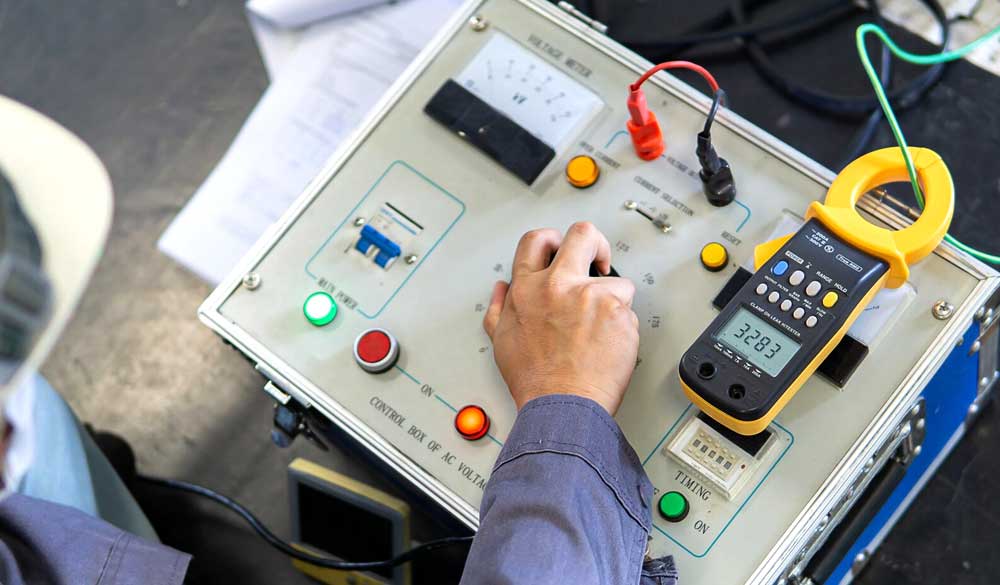
Electrical insulation is a critical part of any power system, and Hipot Testing Service in Bangladesh helps verify whether insulation can withstand the required electrical stress safely and reliably. Hipot testing, also known as dielectric withstand testing, is performed to identify weaknesses in insulation that may create leakage current, electrical breakdown, flashover, or safety hazards. The service is useful for electrical equipment, cables, switchgear, control panels, transformers, motors, generators, and other insulated systems. Professional testing provides engineers with valuable information about insulation integrity before equipment is commissioned or returned to operation. A properly planned hipot test can help identify manufacturing defects, installation damage, contamination, moisture effects, aging, and insulation deterioration. Regular insulation assessment also supports preventive maintenance and helps organizations improve the overall reliability and safety of their electrical infrastructure.
Hipot testing is an important method for assessing the dielectric strength of electrical insulation. Electrical equipment may operate normally during routine conditions while still containing hidden insulation weaknesses. These weaknesses can become dangerous when the equipment experiences higher electrical stress, switching events, faults, or abnormal operating conditions.
A professional hipot testing program helps determine whether insulation provides adequate separation between energized and non energized parts. It can support:
Testing is particularly valuable for equipment where insulation failure could result in personnel injury, equipment damage, production interruption, or an electrical fire.
High voltage withstand testing applies a controlled test voltage to an electrical component or system to evaluate its insulation capability. The purpose is not to reproduce normal operating conditions but to verify that the insulation can tolerate a defined electrical stress without unacceptable breakdown or leakage.
The testing procedure depends on the equipment under examination, insulation design, applicable standards, manufacturer requirements, and project specifications. Engineers must select appropriate test methods and carefully control the test environment.
High voltage withstand testing can help identify:
The test should always be performed by trained personnel using suitable equipment and controlled safety procedures.
Dielectric strength describes the ability of an insulating material or insulation system to withstand electrical stress without breakdown. Hipot testing provides a practical method of assessing this characteristic under controlled conditions.
During a dielectric withstand test, engineers monitor the behavior of the insulation while the test voltage is applied. Depending on the testing method and equipment, leakage current and other electrical responses may be observed and recorded.
Dielectric testing can be applied to:
The results can provide useful evidence about the condition and suitability of insulation before equipment is placed into service or after maintenance work has been completed.
AC hipot testing uses alternating current test voltage to assess the dielectric withstand capability of electrical insulation. It is commonly used for various electrical equipment and systems where AC withstand testing is specified by the applicable technical requirements.
The testing approach should be selected according to equipment design and the relevant testing requirements. Engineers need to consider capacitance, insulation configuration, connected components, test duration, and acceptable leakage behavior when planning the test.
AC hipot testing can be useful for:
A controlled AC test provides useful information about insulation performance and can support quality assurance and commissioning decisions.
DC hipot testing applies direct current test voltage to evaluate insulation performance. This method can be suitable for specific electrical equipment and testing applications where direct voltage testing is appropriate.
DC testing requires careful consideration of the equipment design because insulation can retain electrical charge after the test voltage is removed. Proper discharge and grounding procedures are therefore essential before personnel approach the equipment.
A professional DC hipot testing process may involve:
The appropriate testing method should always be selected according to equipment characteristics and applicable technical requirements.
Electrical cables depend on insulation to separate conductors from each other and from surrounding structures. Damage to cable insulation can create leakage, short circuits, electrical shock hazards, and unexpected system failures.
Hipot testing can help assess cable insulation after manufacturing, installation, repair, or maintenance. The test method depends on cable type, insulation material, system voltage, installation arrangement, and applicable requirements.
Cable testing may help identify:
Testing newly installed cables before energization can provide additional confidence that the installation has been completed correctly and that the insulation remains suitable for service.
Motors and generators contain winding insulation that must withstand electrical stress throughout their operating life. Thermal stress, vibration, moisture, contamination, electrical loading, and aging can gradually affect winding insulation.
Hipot testing can be used as part of an electrical maintenance or commissioning program to evaluate insulation integrity. Engineers may combine dielectric testing with other condition assessment methods depending on the machine type and maintenance objective.
Testing can support:
The testing procedure must be carefully selected because rotating machines can have sensitive insulation systems that require appropriate test practices.
Transformers rely on insulation systems to separate windings, cores, terminals, and other conductive components. Insulation failure can cause serious electrical faults and costly equipment damage.
Hipot testing may be used during transformer manufacturing, commissioning, maintenance, or repair when appropriate for the transformer design and applicable testing requirements. Engineers consider the transformer construction, insulation system, voltage characteristics, and test specifications before conducting the test.
Transformer insulation testing can help identify potential weaknesses associated with:
Proper testing contributes to safer transformer operation and provides useful information for electrical maintenance planning.
Switchgear and electrical panels contain multiple conductive components separated by insulation. Proper insulation is essential to prevent unwanted current paths and electrical faults.
Hipot testing can be performed on suitable switchgear and panel assemblies during manufacturing, commissioning, maintenance, or quality inspection. Testing helps verify that insulation between electrical conductors and accessible or grounded parts can withstand the specified electrical stress.
A professional testing process may assess:
Testing can provide additional confidence that electrical assemblies are ready for safe operation.
Electrical commissioning is one of the important applications of hipot testing. Before a new electrical installation is energized, insulation should be assessed to identify possible installation-related problems.
Construction activities can sometimes cause insulation damage through improper handling, incorrect termination, contamination, moisture exposure, or mechanical stress. A controlled dielectric test can help identify certain weaknesses before the equipment becomes operational.
Commissioning support may include:
Proper commissioning testing can reduce the possibility of discovering insulation problems after the system has already entered service.
Preventive maintenance helps organizations identify developing electrical problems before they result in equipment failure. Hipot testing can be included in an appropriate maintenance program when the equipment and applicable requirements support this type of testing.
The decision to perform a withstand test should consider equipment age, insulation condition, manufacturer recommendations, previous test history, operating environment, and maintenance objectives. Testing should not be performed without understanding the potential effect of the applied electrical stress on the equipment.
Preventive electrical testing can help maintenance teams:
A documented testing history also helps engineers compare equipment condition over time.
Reliable hipot testing requires suitable test equipment capable of applying controlled electrical stress and monitoring the relevant test parameters. Modern hipot testers can provide controlled voltage application, leakage current measurement, protection features, and test result recording.
The selection of equipment depends on the testing application and the equipment under test. Engineers should consider the required test voltage, output capability, measurement accuracy, safety features, test duration, and equipment compatibility.
Professional testing equipment should provide suitable:
Correct test equipment selection improves measurement reliability while helping engineers maintain a safe and controlled testing environment.
Safety is the most important consideration during high voltage insulation testing. A hipot test creates electrical conditions that can be hazardous to personnel if appropriate precautions are not followed.
Before testing, engineers should identify the equipment under test, establish a controlled test area, verify connections, and ensure that unauthorized personnel cannot enter the hazardous area. Suitable grounding and discharge procedures must be followed.
A professional testing process generally includes:
Personnel should follow approved electrical safety procedures and applicable manufacturer and site requirements throughout the testing process.
Manufacturers of electrical equipment use dielectric withstand testing as part of quality assurance programs. A properly designed test process can help identify insulation defects before products reach customers or enter service.
Quality control testing may be applied to electrical assemblies, cables, motors, transformers, panels, and other products where insulation performance is a critical requirement.
Manufacturing quality testing can help detect:
Consistent testing and documentation can improve product quality and provide evidence that electrical assemblies have undergone appropriate insulation verification before delivery.
Clear documentation is an important part of professional hipot testing. Test reports provide a record of the equipment tested, test conditions, observed results, and final assessment. These records can be valuable for commissioning, maintenance, quality assurance, troubleshooting, and future inspections.
A professional report may include:
Accurate documentation helps facility owners maintain a reliable history of electrical insulation performance. It also allows engineers to review previous results when investigating future equipment problems.
A professional Hipot Testing Service in Bangladesh provides electrical insulation assessment using suitable test equipment, controlled procedures, experienced technical personnel, and proper safety practices. The service can support industrial facilities, electrical contractors, manufacturers, commercial buildings, power installations, and maintenance teams that need dependable insulation verification.
A competent testing provider should understand the electrical characteristics of the equipment under test and select an appropriate testing method rather than applying a generic procedure. Proper planning is especially important for sensitive electrical equipment where inappropriate testing can create unnecessary stress.
Professional service can support:
Reliable hipot testing helps organizations identify insulation weaknesses before they become serious electrical problems. When performed with suitable equipment, trained personnel, controlled procedures, and accurate documentation, dielectric withstand testing becomes a valuable part of electrical safety management. It can support safer commissioning, dependable maintenance, improved equipment reliability, and greater confidence in the condition of electrical insulation. For industrial and commercial facilities in Bangladesh, professional hipot testing provides an effective approach to verifying electrical insulation and supporting long term power system performance.