Fluke 2042 Cable locator
Trace Hidden Cables with Confidence and Precision

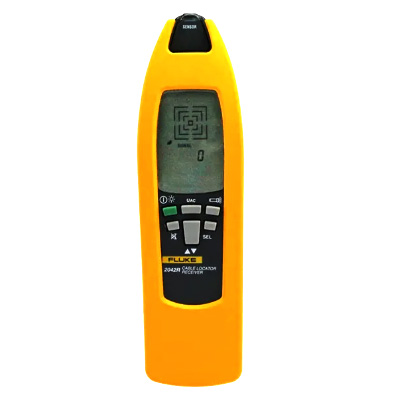
The Fluke 2042 Cable Locator is a professional electrical testing instrument designed for tracing concealed cables, identifying wire routes, and locating electrical conductors in complex installations. When searching for the Fluke 2042 Cable locator Price in Bangladesh, electrical engineers, maintenance professionals, and industrial technicians should consider its practical capabilities for cable identification and troubleshooting. This instrument helps users trace cables through walls, ceilings, floors, and underground routes, reducing the need for unnecessary dismantling or disruptive inspection. Its transmitter and receiver work together to help identify cable paths and distinguish target conductors from surrounding wiring. The device supports efficient electrical maintenance in commercial buildings, factories, residential properties, and infrastructure projects where accurate cable tracing is essential.
The Fluke 2042 uses a transmitter and receiver system to locate cables and conductors in different electrical environments. The transmitter introduces a tracing signal into the target cable, while the receiver detects that signal along the cable route. This operating principle helps technicians follow concealed wiring and identify specific conductors among multiple cables. The system is useful when electrical drawings are incomplete, cable routes are unclear, or modifications have been made to existing installations. By helping users identify the intended cable before beginning maintenance, the instrument supports more organized troubleshooting and reduces the likelihood of disturbing unrelated wiring. Its practical detection method makes it suitable for electricians and service engineers working with complicated electrical distribution systems.
Finding concealed wiring without damaging building structures is an important requirement in electrical installation and renovation work. The Fluke 2042 Cable Locator helps technicians trace cables hidden behind walls, ceilings, and floors, making it easier to understand existing wiring layouts. This capability is valuable during building renovations, electrical upgrades, equipment installation, and routine maintenance. Rather than relying entirely on drawings or visual inspection, technicians can use the receiver to follow the detected signal and identify the likely cable route. This approach can reduce unnecessary drilling and opening of wall surfaces. It also helps electrical professionals investigate wiring paths before carrying out installation work, provided that suitable operating procedures and safety precautions are followed.
The Fluke 2042 supports troubleshooting tasks involving cable interruptions and certain wiring faults. By tracing the signal along a conductor, technicians can investigate cable routes and narrow down areas requiring further inspection. This can be particularly useful when dealing with damaged wiring, disconnected conductors, or electrical circuits that do not behave as expected. The instrument helps organize the diagnostic process by allowing users to follow the cable path and investigate the relevant section of an installation. However, cable tracing should not be confused with comprehensive insulation testing or precise fault-distance measurement. Additional instruments may be necessary to confirm insulation condition, electrical continuity, or the exact position of a fault, depending on the nature of the problem.
The transmitter and receiver form the core of the Fluke 2042 cable tracing system. The transmitter generates the signal required for identification, while the receiver detects the signal and helps the operator follow the cable route. This coordinated operation makes the instrument useful for tracing selected conductors within cable bundles, distribution systems, and building wiring networks. The receiver provides feedback that assists technicians in following the detected signal and determining the direction of the cable path. Proper connection, receiver positioning, and signal interpretation are important for achieving reliable results. Users should follow the manufacturer's instructions to select the appropriate operating method for the circuit and working environment.
The Fluke 2042 Cable Locator is suitable for a broad range of electrical maintenance and installation activities. Industrial electricians can use it when tracing wiring associated with machinery, control panels, distribution boards, and building services. Commercial maintenance teams can benefit from its ability to investigate concealed conductors during renovation and repair projects. Electrical contractors may also use the instrument when identifying existing cable routes before installing additional circuits or modifying electrical infrastructure.
Its practical applications include:
Tracing concealed electrical cables in buildings
Identifying selected conductors within cable installations
Investigating wiring routes in distribution systems
Supporting electrical renovation and maintenance work
Locating cables behind walls, ceilings, and floors
Assisting technicians with cable identification and troubleshooting
Investigating wiring arrangements in industrial and commercial facilities
These applications make the instrument a useful addition to an electrical technician's diagnostic equipment.
Electrical testing instruments must be practical to operate in different working environments. The Fluke 2042 is designed as a dedicated cable tracing solution, allowing technicians to work with a transmitter and a handheld receiver rather than relying solely on conventional visual inspection. Its operating arrangement supports cable identification in areas where conductors are difficult to access directly. This is beneficial for service engineers who regularly move between buildings, electrical rooms, maintenance workshops, and industrial sites. A dedicated cable locator can also help standardize troubleshooting procedures across maintenance teams. For reliable operation, users should inspect the instrument and its accessories before use, maintain the equipment according to manufacturer recommendations, and store it appropriately after completing fieldwork.
Accurate cable identification is an important part of safe and efficient electrical maintenance. The Fluke 2042 can help technicians understand cable routes before carrying out repair, installation, or modification work. Better identification may reduce unnecessary dismantling, minimize disruption to nearby systems, and help maintenance personnel focus on the relevant conductor. These benefits are particularly important in operating factories, commercial buildings, and facilities where electrical downtime can affect productivity.
Nevertheless, a cable locator does not replace established electrical safety procedures. Before making electrical connections or handling conductors, technicians must verify circuit conditions using suitable equipment and follow applicable isolation and lockout procedures. The manufacturer's instructions should be followed when working with energized or de-energized circuits. Appropriate personal protective equipment and safe working practices remain essential for every electrical t
Selecting a cable locator for professional use requires consideration of the installation environment, conductor type, accessibility, and diagnostic requirements. The Fluke 2042 is worth considering for technicians who regularly trace concealed wiring and investigate cable routes in buildings or industrial facilities. Buyers should confirm that its operating modes and supported applications match their intended work before purchasing.
When evaluating the Fluke 2042 Cable locator Price in Bangladesh, customers should also consider product authenticity, supplier reliability, warranty coverage, technical assistance, and the availability of compatible accessories. These factors can influence the overall value of the instrument throughout its service life. Purchasing from a reliable electrical testing equipment supplier helps buyers obtain appropriate product documentation and support for professional applications. Specifications, included accessories, and warranty terms should be confirmed with the supplier before placing an order.
Fluke is widely associated with electrical measurement, troubleshooting, and industrial testing instruments. Choosing genuine equipment helps professionals obtain a product supported by the manufacturer's specifications, operating instructions, and applicable service arrangements. For the Fluke 2042, authenticity is particularly important because dependable cable tracing requires the instrument to operate according to its intended design.
Electrical contractors, facility managers, maintenance departments, and engineering companies in Bangladesh should purchase through a reputable supplier that can explain the instrument's capabilities and limitations. Buyers should verify the model designation, inspect the supplied accessories, and review the applicable warranty documentation. A suitable supplier should also help clarify whether the instrument meets the requirements of the customer's cable tracing and maintenance applications.
The Fluke 2042 Cable Locator provides a practical solution for professionals who need to identify concealed wiring, trace cable routes, and support electrical troubleshooting. Its transmitter and receiver arrangement helps simplify cable identification in residential, commercial, and industrial environments. By supporting a more systematic approach to locating conductors, the instrument can contribute to organized maintenance work and help reduce unnecessary investigation.
For electrical engineers, contractors, industrial technicians, and maintenance teams in Bangladesh, the Fluke 2042 is a useful option to evaluate when selecting dedicated cable tracing equipment. Before purchasing cable fault locators & tone generators, confirm the technical specifications, operating limitations, included accessories, and warranty conditions with a trusted supplier. Choosing the appropriate instrument for the application helps ensure effective cable tracing and dependable support for everyday electrical maintenance activities.
| Technical Specifications | ||
| Voltage measurement range | Transmitter | 12 V, 50 V, 120 V, 230 V, 400 V |
| Frequency range | Transmitter | 0 - 60 Hz |
| Output signal | Transmitter | 125 kHz |
| Voltage | Transmitter | Up to 400 V AC/DC |
| Tracing depth cable location | Receiver | 0 - 2.5 m wall/underground cables |
| Main voltage detection | Receiver | 0 - 0.4 m |
| Environmental specifications | ||
| Operating temperature | Transmitter | 0 to 40°C |
| Receiver | 0 to 40°C | |
| Storage temperature | Transmitter | -20°C to +60°C |
| Receiver | -20°C to +60°C | |
| Humidity (without condensation) | Transmitter | Max. 80% relative |
| Receiver | Max. 80% relative | |
| Operating altitude | Transmitter | Up to 2000 m |
| Receiver | Up to 2000 m | |
| Safety specifications | ||
| Electrical safety | EN 61010-1 | |
| Overvoltage category | Cat. III 300 V | |
| Mechanical and general specifications | ||
| Size | Transmitter | 190 x 85 x 50 mm |
| Receiver | 250 x 65 x 45mm | |
| Weight | Transmitter | 0.45 kg |
| Receiver | 0.36 kg | |
| Batteries | Transmitter | 6 pc Batteries 1.5V |
| Receiver | 1 pc Battery 9V | |
| Warranty | 2 years | |
No resources available for this product.
No reviews yet. Be the first to review this product!
Related Products
Discover your related products for more professional testing and measurement solutions.
