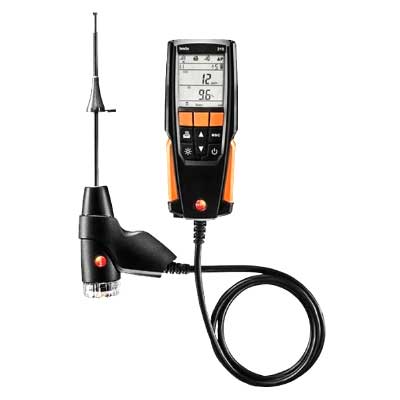
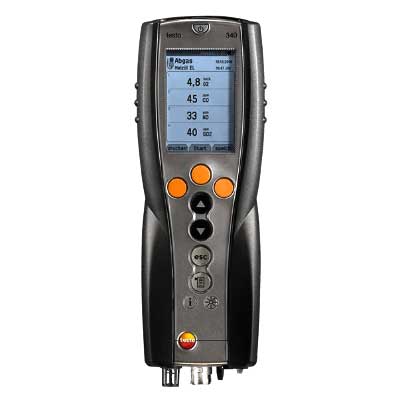
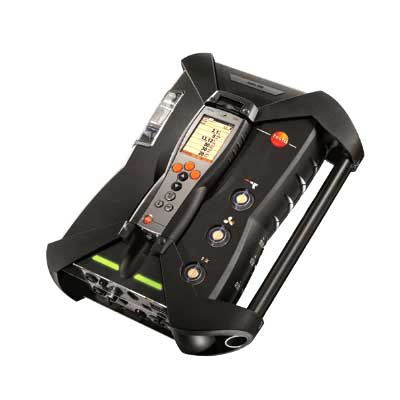
Find answers to common questions about Flue Gas Analyzers
The Flue Gas Analyzers Price in Bangladesh depends on several factors, including measurement capabilities, sensor configuration, supported gases, measurement ranges, display and data-recording functions, build quality, brand reputation, and included accessories.
Basic analyzers may be designed for essential combustion measurements, while advanced systems can provide multiple gas measurements, temperature readings, pressure measurements, combustion efficiency calculations, data logging, and communication features. Sensor technology and replacement requirements can also influence the overall investment.
When selecting an analyzer, buyers should consider the intended application rather than choosing solely based on initial cost. A suitable instrument should provide the required measurement parameters, accuracy, durability, and technical support for the working environment.
A flue gas analyzer is used to measure and evaluate gases produced during combustion processes. Depending on the instrument configuration, it may measure parameters such as oxygen, carbon monoxide, carbon dioxide, combustion temperature, pressure, and other relevant gases.
These measurements help technicians and engineers assess combustion performance, identify incomplete combustion, monitor emissions, and improve the operating efficiency of boilers, furnaces, burners, engines, and heating systems.
Flue gas analysis is particularly useful during commissioning, preventive maintenance, troubleshooting, combustion adjustment, and performance verification.
Important features vary according to the application and instrument model. Common features include multiple gas measurement capability, temperature measurement, differential pressure measurement, combustion efficiency calculations, digital display, data storage, and report-generation functions.
Some advanced analyzers may also provide wireless connectivity, USB or other communication interfaces, automatic measurement routines, rechargeable batteries, protective cases, and software for transferring or analyzing measurement data.
For professional applications, sensor quality, measurement stability, calibration options, sampling system design, and resistance to demanding working conditions are important considerations.
Flue gas analyzers are used in a wide range of industrial and commercial applications in Bangladesh. Typical applications include boiler inspection, furnace monitoring, burner adjustment, generator testing, combustion-system maintenance, and emission assessment.
They can be useful in manufacturing facilities, textile and garment factories, power and utility facilities, food-processing plants, chemical industries, pharmaceutical facilities, steel and metal industries, cement-related operations, and commercial heating systems.
Engineers and maintenance teams can use the measurements to identify combustion-related problems and support more efficient equipment operation.
A flue gas analyzer provides measurable information about combustion conditions, allowing engineers and technicians to make informed adjustments and maintenance decisions.
Key benefits include improved combustion monitoring, identification of incomplete combustion, detection of abnormal gas conditions, support for burner tuning, monitoring of exhaust conditions, and improved maintenance planning.
Regular flue gas measurement can also help organizations identify operational inefficiencies and investigate unexpected changes in combustion performance. For industrial facilities, reliable measurement data can support maintenance records, commissioning activities, troubleshooting, and performance assessments.
Many industries that operate combustion equipment can benefit from flue gas analysis. These include textile and garment manufacturing, food processing, pharmaceuticals, chemicals, power generation, metal processing, cement-related industries, engineering workshops, commercial facilities, and other manufacturing operations.
Boilers, furnaces, ovens, burners, generators, and heating systems can all require combustion monitoring depending on their design and operating conditions.
The appropriate analyzer should be selected according to the fuel type, equipment configuration, required gases, measurement range, operating environment, and testing frequency.
When selecting a flue gas analyzer, first identify the gases and parameters that need to be measured. Consider whether the application requires oxygen, carbon monoxide, carbon dioxide, temperature, pressure, or other measurements.
Next, evaluate measurement range, accuracy, sensor technology, sampling system, operating temperature, data storage, connectivity, battery performance, and portability.
For industrial use, durability and after-sales technical support are also important. Buyers should verify the instrument's specifications against their actual testing requirements and choose a supplier that can provide genuine documentation, accessories, calibration guidance, warranty support, and technical assistance.
To ensure authenticity, purchase from a reputable supplier and verify the manufacturer's information, model number, serial number, technical documentation, and supplied accessories.
A reliable supplier should be able to provide appropriate product documentation and explain the instrument's specifications and intended applications. Buyers should also check whether the analyzer has suitable calibration and maintenance support.
For professional testing applications, it is important to avoid selecting equipment based only on appearance or advertised specifications. Comparing technical parameters with the actual testing requirements provides a more reliable basis for purchasing decisions.
Warranty coverage depends on the manufacturer, supplier, model, and purchase terms. Before purchasing, buyers should confirm the warranty period, coverage conditions, exclusions, and procedures for obtaining service.
Technical support can be particularly important for professional flue gas analyzers because sensors, sampling components, filters, batteries, and other parts may require periodic inspection or replacement.
A dependable supplier should provide guidance on instrument operation, measurement procedures, maintenance, troubleshooting, sensor care, and calibration requirements. Buyers should confirm available after-sales support before placing an order.
To order a flue gas analyzer, first discuss your application and testing requirements with the supplier. Provide information about the equipment being tested, fuel type, required measurement parameters, expected operating conditions, and intended frequency of use.
The supplier can then recommend a suitable configuration and provide technical specifications, availability, warranty information, accessories, and other relevant documentation.
Before confirming an order, review the model specifications, included accessories, delivery terms, warranty conditions, and technical support arrangements. For organizations purchasing equipment for professional testing or industrial maintenance, requesting a formal quotation and technical offer can also help ensure that the selected analyzer meets the project's requirements.
Connect WhatsApp!Usually Replies Instantly!
Customer Support
Hello! Welcome to Advance Engineering Solutions. How can we help you today?