Find answers to common questions about Process Calibrators
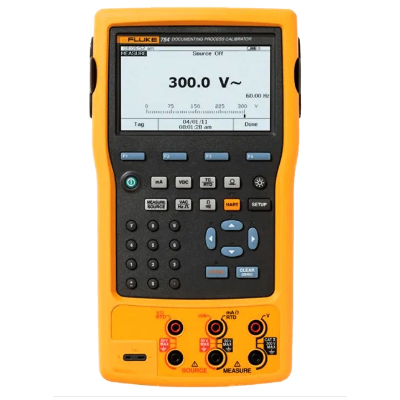
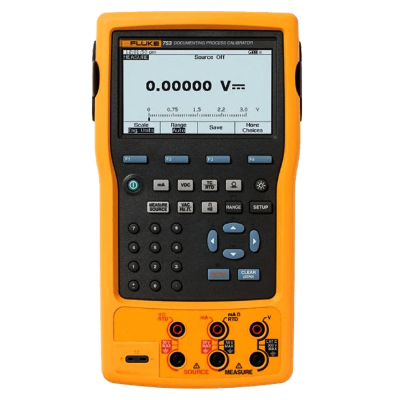
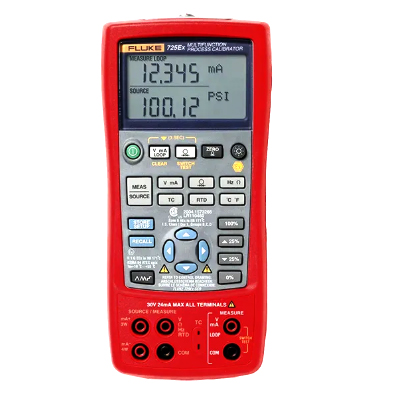
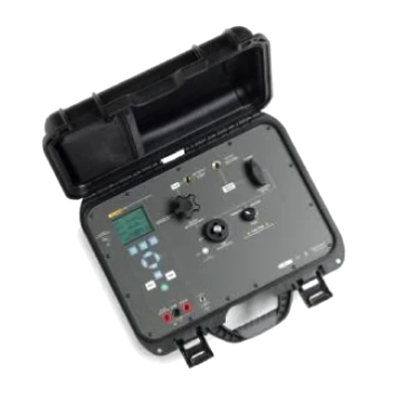
Process Calibrators Price in Bangladesh refers to the market cost of professional calibration instruments used to generate, measure, simulate, and verify process signals. These instruments are commonly used for checking industrial measurement devices and control loops involving parameters such as temperature, pressure, current, voltage, frequency, and other process signals.
The actual cost depends on the calibrator's capabilities, measurement ranges, accuracy, supported signal types, display configuration, communication functions, accessories, and manufacturer. Advanced multifunction calibrators generally provide broader testing capabilities than single-purpose instruments.
When selecting a process calibrator in Bangladesh, users should consider the requirements of their application rather than focusing only on the initial purchase cost. A properly selected instrument can support reliable maintenance, commissioning, troubleshooting, and calibration activities over an extended service life.
A process calibrator is used to test, simulate, measure, and verify signals associated with industrial process instrumentation. Technicians can use these instruments to check whether field devices are producing accurate outputs and responding correctly to input signals.
Common applications include testing transmitters, sensors, indicators, controllers, signal converters, control loops, and other instrumentation. Depending on the model, a calibrator may support electrical signals such as current and voltage as well as process-related parameters such as temperature or pressure.
Process calibrators are particularly useful during installation and commissioning because they allow technicians to verify instruments before a system is placed into operation. They are also valuable during preventive maintenance and troubleshooting when an abnormal process reading needs to be investigated.
The appropriate features depend on the type of instrumentation being tested. Important considerations include measurement accuracy, supported input and output signals, measurement range, resolution, display readability, portability, battery performance, and operating environment.
For industrial applications, users may also need features such as loop-powered testing, signal simulation, data storage, automatic test functions, documentation capabilities, or communication interfaces.
A multifunction process calibrator can be useful for organizations that work with different types of process instruments because one device may support several calibration requirements. However, a dedicated calibrator can sometimes be more appropriate when a specific measurement task requires specialized performance.
Before purchasing, compare the calibrator's technical specifications with the requirements of the instruments and processes in your facility.
Process calibrators are used across many industries in Bangladesh where accurate measurement and process control are important. Typical sectors include manufacturing, pharmaceuticals, power generation, food processing, chemical processing, water and wastewater treatment, oil and gas, textile production, cement, and engineering services.
They can be used in production plants, laboratories, maintenance departments, instrumentation workshops, commissioning projects, and field-service operations.
In Bangladesh's industrial environment, portable process calibrators are especially useful for technicians who need to perform measurements directly at equipment locations. Their ability to test and verify process signals can reduce troubleshooting time and help maintenance teams identify instrumentation problems more efficiently.
A process calibrator provides a controlled method for checking the performance of industrial instrumentation. One major benefit is improved confidence in measurement accuracy, which can support better process monitoring and control.
Other benefits include faster troubleshooting, easier commissioning, preventive maintenance support, and more consistent calibration procedures. Multifunction models can also reduce the need to carry several separate instruments when different signal types must be tested.
Using suitable calibration equipment can help identify measurement errors before they affect production quality or process performance. Regular verification can also help maintenance teams recognize instruments that require adjustment, repair, or replacement.
For facilities where instrumentation plays an important role in safety, quality, or production efficiency, having appropriate calibration equipment can be an important part of an effective maintenance program.
Industries that rely on sensors, transmitters, controllers, and automated process systems can benefit from process calibration equipment. In Bangladesh, this includes pharmaceutical manufacturing, power plants, chemical industries, food and beverage facilities, textile factories, cement plants, water treatment facilities, and general manufacturing.
Process calibrators are also valuable for instrumentation contractors, calibration laboratories, testing organizations, and industrial maintenance service providers.
The required calibrator depends on the instruments used by each organization. For example, a facility working extensively with temperature transmitters may prioritize temperature-related functions, while a process plant with extensive control loops may require broader electrical and loop-testing capabilities.
Selecting equipment according to actual field requirements helps ensure that the calibrator provides useful coverage without unnecessary functions.
Start by identifying the instruments and signals that need to be tested. Review the required measurement parameters, ranges, accuracy levels, resolution, environmental conditions, and calibration procedures.
Next, determine whether a single-function or multifunction process calibrator is more suitable. Consider portability if technicians will frequently work in the field. For laboratory or workshop applications, additional documentation and data-management features may be valuable.
It is also important to evaluate the supplier. A reliable Bangladesh-based supplier should provide genuine equipment, proper technical specifications, supporting documentation, warranty information, and after-sales assistance.
If the application involves critical industrial instrumentation, consult an experienced technical supplier before making a purchase. This can help ensure that the selected calibrator is compatible with the equipment already installed at the facility.
Quality and authenticity should be considered carefully when purchasing calibration equipment. Buyers should check the manufacturer's identification, model information, serial number, technical documentation, and available calibration or inspection certificates.
Purchase from an established supplier that can clearly explain the instrument's specifications, origin, warranty terms, and available support. The supplied product should correspond to the model and specifications stated in the quotation or purchase documentation.
For professional calibration applications, traceability and documented performance can also be important. Depending on the application, users may require calibration certificates or verification against suitable reference standards.
Avoid selecting equipment based solely on the lowest offer. Authenticity, technical suitability, service support, and long-term reliability can have a significant impact on the overall value of calibration equipment.
Yes. Warranty and technical support are important considerations because process calibrators are precision instruments used for measurement and verification.
A suitable warranty provides protection against qualifying manufacturing defects according to the supplier's and manufacturer's terms. Buyers should confirm the warranty period, coverage, exclusions, and service procedure before ordering.
Technical support is also useful when users need assistance with setup, operating procedures, signal connections, troubleshooting, or selecting suitable accessories. For industrial customers in Bangladesh, access to local technical assistance can make equipment adoption and maintenance easier.
When comparing Process Calibrators Price in Bangladesh, consider the complete purchasing value rather than the equipment cost alone. Product authenticity, warranty, documentation, calibration support, and after-sales service can all influence the long-term usefulness of the instrument.
To order a process calibrator, first identify the required application and technical specifications. Share details such as the process parameters, instruments to be tested, required ranges, accuracy requirements, and intended operating environment with the supplier.
The supplier can then recommend a suitable model and provide product specifications, availability, commercial terms, warranty information, and delivery details. Buyers should review the quotation carefully to confirm that the proposed instrument meets their technical requirements.
For business or industrial purchases, it is advisable to request formal documentation and confirm the product model before placing the order. After the order is confirmed, the supplier can coordinate delivery and provide relevant product and support information.
For organizations comparing Process Calibrators Price in Bangladesh, obtaining quotations from a technically capable supplier can help balance equipment capability, authenticity, service support, and overall purchasing value.
Connect WhatsApp!Usually Replies Instantly!
Customer Support
Hello! Welcome to Advance Engineering Solutions. How can we help you today?