Find answers to common questions about Electrical Calibrators
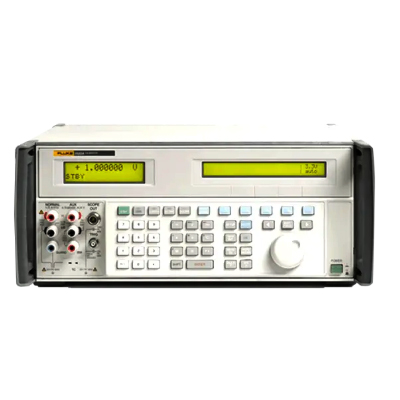
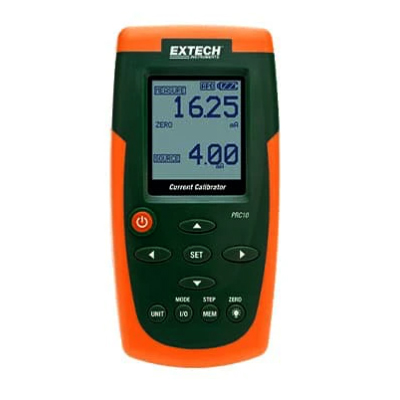
Electrical Calibrators Price in Bangladesh refers to the market cost of professional instruments used to generate, measure, simulate, and verify electrical quantities. These calibrators are designed for testing electrical measurement instruments and systems where dependable and repeatable results are important.
Depending on the model, an electrical calibrator may support parameters such as voltage, current, resistance, frequency, and other electrical signals. Some advanced instruments combine multiple calibration functions into a single unit.
The overall cost depends on the instrument's accuracy, measurement ranges, supported functions, output capabilities, display, automation features, software compatibility, and intended application.
When comparing Electrical Calibrators Price in Bangladesh, buyers should evaluate technical specifications, authenticity, calibration documentation, warranty, and technical support alongside the purchasing cost.
An electrical calibrator is used to check and verify the performance of electrical measurement instruments. It can provide controlled electrical signals that allow technicians and engineers to compare an instrument's readings against known reference values.
Typical applications include testing multimeters, panel meters, signal conditioners, transmitters, controllers, electrical sensors, monitoring systems, and other measurement equipment.
Electrical calibrators can be used during commissioning, preventive maintenance, troubleshooting, laboratory testing, and periodic calibration activities. By providing stable and controlled reference signals, they help users identify measurement errors and determine whether an instrument is operating within its required performance limits.
The appropriate calibrator depends on the electrical parameters, ranges, accuracy, and equipment involved in the testing process.
The first consideration should be the electrical quantities that need to be measured or generated. Depending on the application, users may require voltage, current, resistance, frequency, or multifunction capabilities.
Accuracy and resolution are particularly important for professional calibration work. Buyers should also evaluate measurement and output ranges, stability, display readability, connectivity, data storage, automation functions, and software compatibility.
Portability can be important for field technicians, while laboratory users may prioritize precision, repeatability, documentation, and compatibility with reference standards.
The calibrator should also be suitable for the environment in which it will operate. Before purchasing, compare the technical specifications with the requirements of the instruments being tested.
Electrical calibrators are used in many industrial and technical environments across Bangladesh. Common applications include electrical laboratories, manufacturing facilities, power plants, process industries, pharmaceutical factories, textile industries, engineering workshops, calibration laboratories, and educational institutions.
They can also support maintenance and commissioning teams that need to verify electrical instruments at project sites.
In industrial environments, accurate electrical measurements can contribute to reliable equipment monitoring, process control, testing, and maintenance. A suitable electrical calibrator gives technicians a practical method for checking instrument performance without relying solely on field measurements.
The required equipment varies according to the application, so users should select a calibrator based on their actual testing and measurement requirements.
Electrical calibration equipment provides a controlled way to verify measurement instruments and electrical signals. One important benefit is improved confidence in measurement accuracy.
Regular verification can help identify instrument drift, incorrect readings, or performance changes before they create larger testing or operational problems. This can support preventive maintenance and quality-control procedures.
Multifunction electrical calibrators can also reduce the need for multiple dedicated instruments when several electrical parameters need to be tested.
Other benefits include efficient troubleshooting, repeatable testing, better measurement documentation, and improved consistency between different instruments.
For organizations that depend on electrical measurement equipment, appropriate calibration practices can contribute to more reliable engineering and maintenance decisions.
Electrical calibrators are useful in industries that depend on accurate electrical measurements. These include power generation and distribution, manufacturing, pharmaceuticals, textiles, food processing, chemical industries, electronics, telecommunications, building services, and industrial automation.
Calibration laboratories and engineering service companies can also use electrical calibrators for professional testing and verification activities.
For example, maintenance technicians may use a calibrator to verify an industrial meter, while a laboratory may use precision calibration equipment for more controlled measurement procedures.
The required calibrator will depend on the instruments being tested, the necessary accuracy, measurement ranges, and whether the equipment will be used in a laboratory or field environment.
Begin by identifying which instruments you need to test. Determine the required electrical parameters, measurement ranges, accuracy, resolution, and output capabilities.
If your work involves several types of electrical signals, a multifunction calibrator may provide greater flexibility. If the application is limited to a particular measurement, a dedicated instrument may be more practical.
Consider portability if technicians will carry the calibrator between locations. For laboratory use, precision, stability, repeatability, traceability, and software capabilities may be more important.
When comparing Electrical Calibrators Price in Bangladesh, ask the supplier for detailed technical specifications and confirm that the proposed equipment is compatible with your existing instruments.
A technically knowledgeable supplier can help match the calibrator's capabilities with the actual requirements of your application.
Buyers should verify the manufacturer, exact model number, serial identification, technical specifications, product documentation, and warranty information before purchasing.
For professional calibration applications, appropriate calibration certificates and traceability documentation may also be important. The documentation should correspond to the actual instrument supplied.
Purchasing from an established and technically capable supplier can reduce the risk of receiving unsuitable or counterfeit equipment. Buyers should be cautious of offers that provide limited specifications or make unusually broad performance claims without supporting documentation.
Quality should be assessed based on the instrument's documented performance, intended application, manufacturer support, and calibration requirements rather than appearance or purchase cost alone.
Yes. Warranty and technical support are important considerations for precision electrical calibration equipment.
Warranty coverage can help protect the buyer against qualifying manufacturing defects under the applicable terms. Before purchasing, confirm the warranty duration, covered components, exclusions, and service procedure.
Technical support is useful for installation, configuration, operating procedures, troubleshooting, and understanding the correct calibration workflow. Users may also require guidance regarding connections, measurement ranges, software, or accessories.
For customers in Bangladesh, local technical assistance can make it easier to maintain and operate the equipment over its service life.
Therefore, when evaluating Electrical Calibrators Price in Bangladesh, consider the complete value of the purchase, including product authenticity, warranty, documentation, and after-sales support.
The ordering process should begin by identifying the required calibration application. Provide the supplier with details about the instruments to be tested, electrical parameters, required ranges, accuracy requirements, operating environment, and any preferred connectivity or software features.
The supplier can then recommend a suitable electrical calibrator and provide technical specifications, availability, warranty information, and commercial details.
Before confirming an order, verify the exact model, specifications, accessories, calibration documentation, warranty terms, delivery conditions, and technical support arrangements.
For specialized industrial or laboratory requirements, technical consultation before purchase is recommended. This helps ensure that the selected equipment can perform the required calibration tasks.
Customers researching Electrical Calibrators Price in Bangladesh should compare complete technical and service offerings from reliable suppliers to make an informed purchasing decision.
Connect WhatsApp!Usually Replies Instantly!
Customer Support
Hello! Welcome to Advance Engineering Solutions. How can we help you today?